Dr. Noni Agustina Highlights Intercultural Communicative Competence on the International Stage

JAKARTA – For English as a Foreign Language (EFL) students, language acquisition now extends beyond grammatical accuracy; it fundamentally requires the competence to communicate effectively with individuals from diverse cultural backgrounds. This paradigm was the central focus of a presentation by Dr. Noni Agustina, M.Pd., an academic from Esa Unggul University, through her research titled From Cultural Sharing to Intercultural Awareness: Exploring Students’ Intercultural Communicative Competence in a Virtual Intercultural Exchange. Her presentation demonstrated how virtual intercultural exchanges can be optimized as meaningful spaces for students to encounter cultural diversity without the need for physical mobility.

Dr. Agustina’s involvement in this study directly reinforces the international profile of her home institution, Esa Unggul University, which is recognized as a campus “Powered by Arizona State University”. The global impact of her academic profile is strongly reflected in the design of the virtual exchange project she investigated. This program bridged 25 participants across continents, originating from seven different countries: Indonesia (representing Jakarta and Bali), Timor Leste, Vietnam, the Philippines, Costa Rica, and Ecuador. By guiding students from a wide range of study programs—from English Language Education to System Engineering—Dr. Agustina demonstrated her expertise in cultivating global networks and facilitating interactive dialogue that transcends geographical borders.
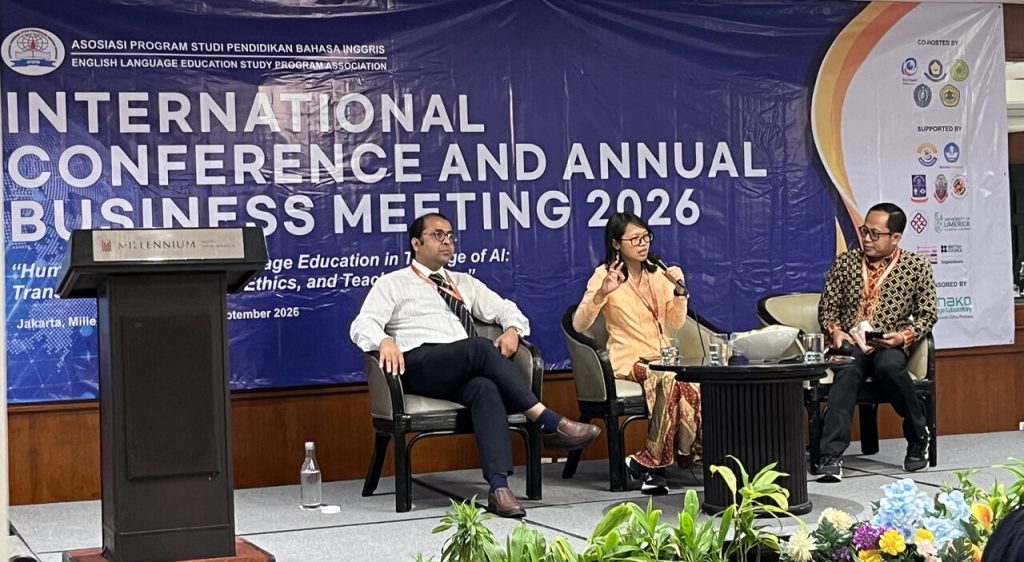
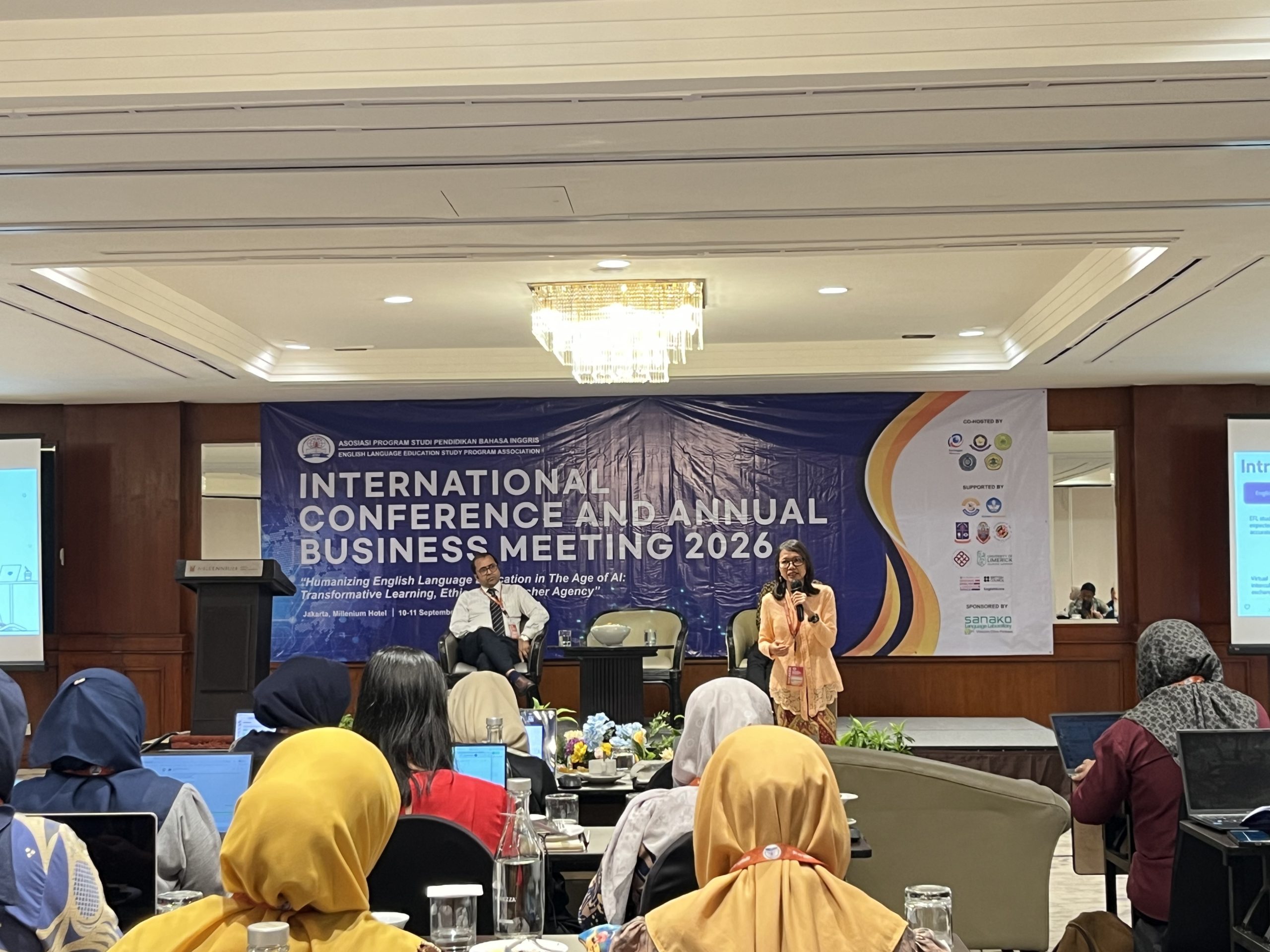
Utilizing a narrative research design, the core of Dr. Agustina’s presentation thoroughly examined the learners’ transition from merely sharing surface-level cultural facts to developing profound intercultural awareness. The presentation outlined several essential findings regarding this learning process:

  • Affective and Relational Adjustment: Cross-border interactions initially triggered nervousness, awkwardness, and confusion among students, but repeated interactions gradually fostered comfort, confidence, and a willingness to participate.
  • Curiosity as an Entry Point: Student curiosity acted as a primary catalyst when exploring specific cultural practices, such as Vietnamese water puppets, the Nyepi celebration in Bali, and the Costa Rican philosophy of Pura Vida.
  • Suspension of Judgment: When encountering surprising or unfamiliar traditions—such as different uses of traditional clothing or silent celebrations—students managed to withhold prejudice, choosing to listen to direct explanations from their international peers before drawing conclusions.
  • Understanding Values Behind Cultural Practices: Cross-cultural knowledge only transformed into meaningful understanding when students successfully internalized the historical, social, and identity-based values that shape a tradition.

The presentation concluded that intercultural awareness does not emerge instantly or uniformly across all participants. Dr. Agustina emphasized that this process is a gradual movement, wherein a combination of dialogic strategies, digital exploration, and direct confirmation from global peers can transform simple cultural sharing into a deeper intercultural awareness that dismantles existing stereotypes.


Leave a Reply

Your email address will not be published. Required fields are marked *

© apspbi 2026. All Rights Reserved.