Welcoming Remarks
President of APSPBI

Assalamu Alaikum Warahmatullahi Wabarakatuh
Dear Esteemed Colleagues, Distinguished Guests, and Fellow Educators of the APSPBI Family. It is with profound honor, deep gratitude, and an overwhelming sense of pride that I welcome you to Jakarta for the International Conference and Annual Business Meeting (ICON ABM) 2026.
We gather today under circumstances that are far from ordinary. I am acutely aware that our nation and the global community are currently navigating turbulent waters. We are facing undeniable economic headwinds that demand our utmost adaptability. Furthermore, Mother Nature has severely tested our resolve. The heavy blankets of smoke from recent forest fires (karhutla) and the formidable logistical disruptions caused by the volcanic eruptions of Anak Krakatau have made the journey to our capital city incredibly challenging.
I know the extraordinary lengths, the delayed flights, the sheer exhaustion, and the unwavering determination it took for many of you to be seated in this hall today. Your presence here is not just a professional commitment; it is a profound testament to your unyielding dedication to the future of education in Indonesia. You have defied the odds to be here, and for that, I salute you.
This remarkable resilience perfectly embodies the very essence of our theme this year: “Humanizing English Language Education in the Age of AI.”
We stand at a crossroads where Artificial Intelligence is rapidly transforming our pedagogical landscapes. AI can generate flawless text, process infinite data, and automate our systems. However, as these recent trials have proven, technology cannot replicate the indomitable human spirit. AI does not know courage. It does not understand the grit required to travel through ash-filled skies, nor the profound empathy it takes to stand by our students and communities amidst economic uncertainty.
We bring that humanity to the classroom. Our shared struggles and our collective triumphs are the very soul of the education we impart. As we deliberate in our Annual Business Meeting and exchange insights during this conference, let us remember that our primary mission is to teach our students not merely how to interact with machines, but how to remain profoundly human—compassionate, critical, adaptable, and fiercely resilient in an unpredictable world.
Let this gathering in Jakarta be a beacon of our collective strength. Let us use this momentum to forge stronger institutional collaborations, design visionary curricula, and renew our solidarity as a unified association. We are not just surviving these challenges; we are leading through them.
Let our discussions be vigorous, our collaborations be deeply rooted, and our shared vision be brighter than any obstacle before us.
Welcome to Jakarta. Welcome to ICON ABM 2026. Together, let us shape a triumphant future for English Language Education!
Warmest regards,
Dr. Ummi Khaerati Syam, S.Pd., M.Pd.
President, Asosiasi Program Studi Pendidikan Bahasa Inggris (APSPBI)
PARALLEL ROOM-PRESENTER ONSITE
INTERNATIONAL CONFERENCE 2026
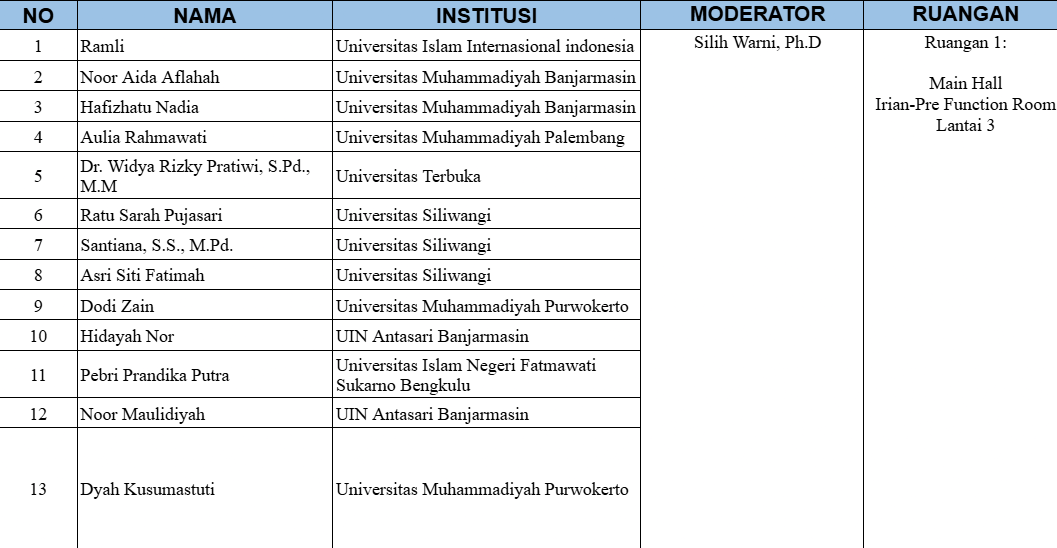
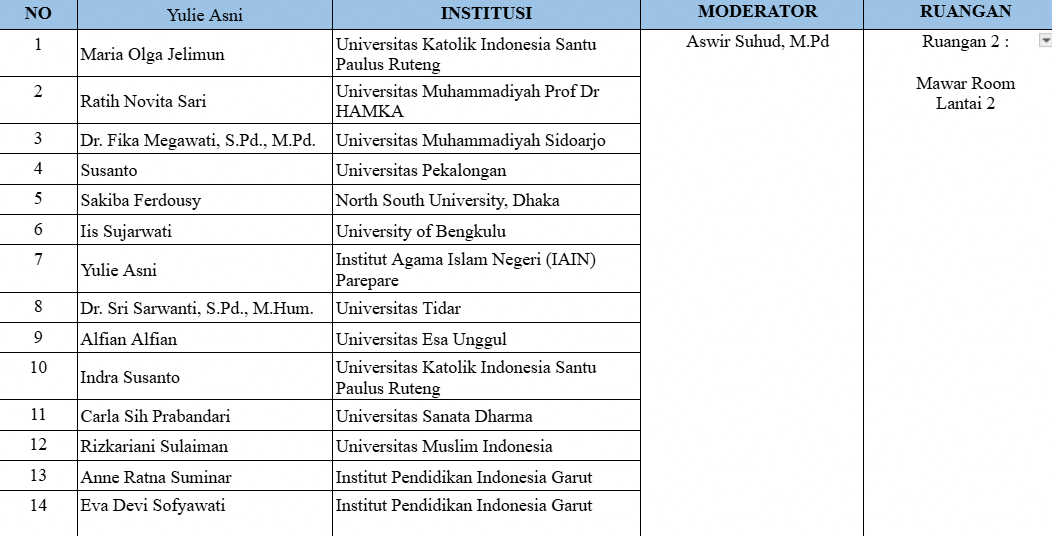
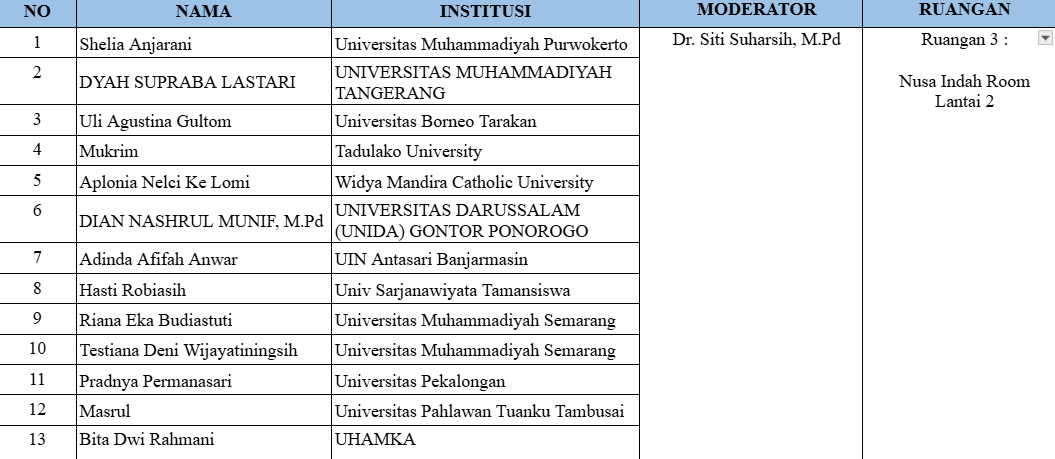
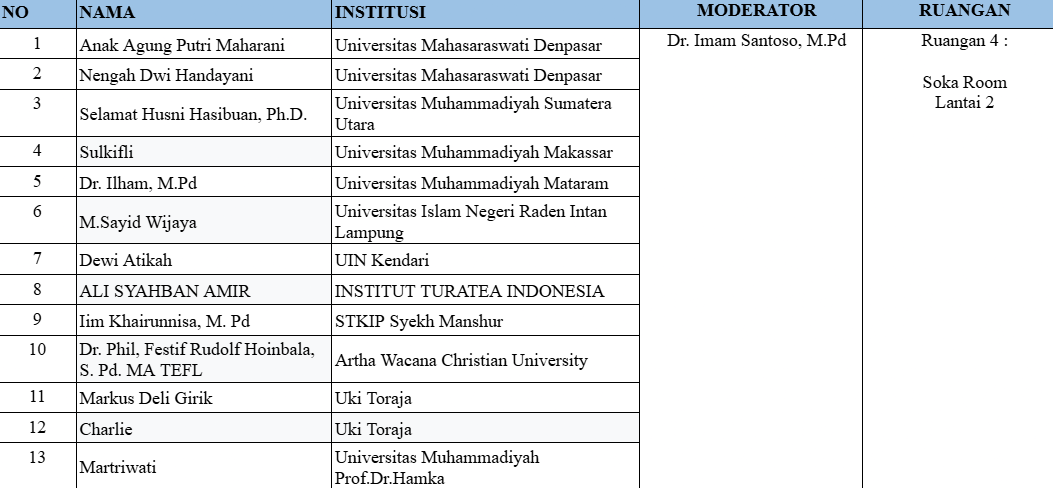
BREAKOUT ROOM PRESENTER ONLINE
INTERNATIONAL CONFERENCE 2026
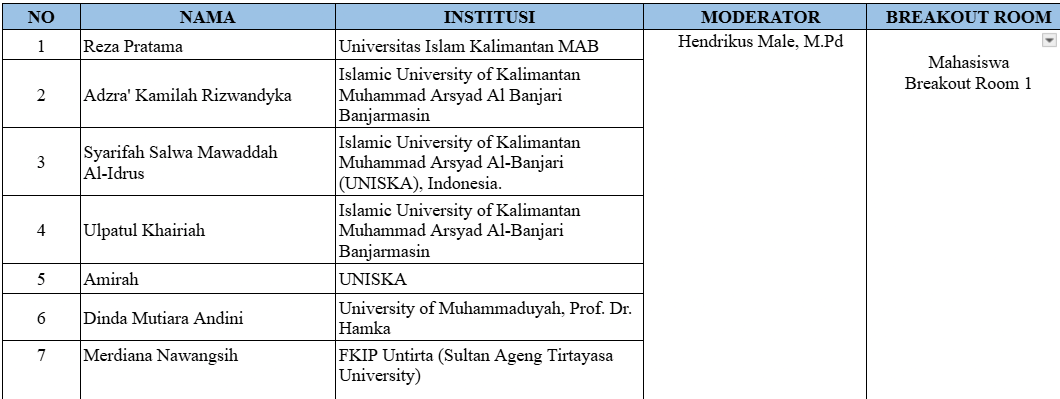
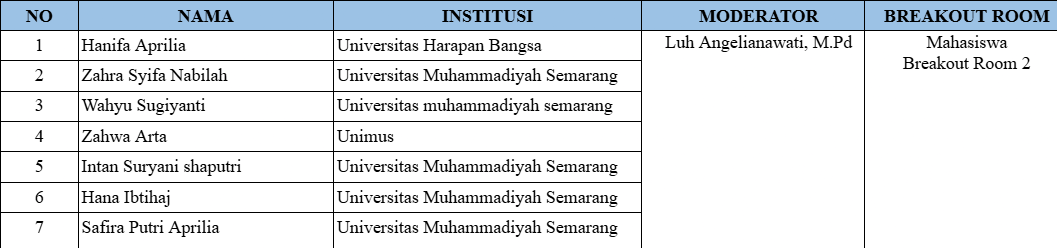
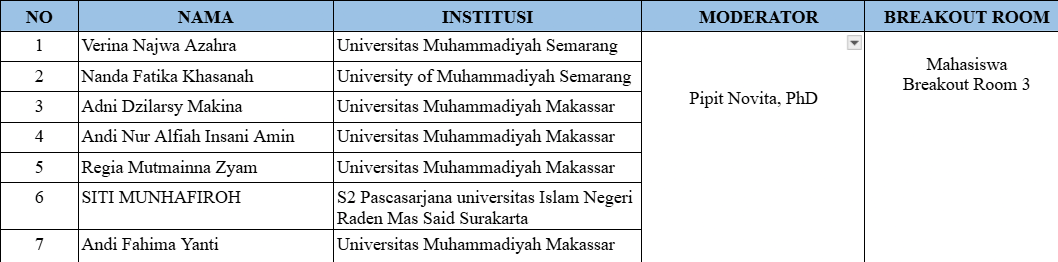
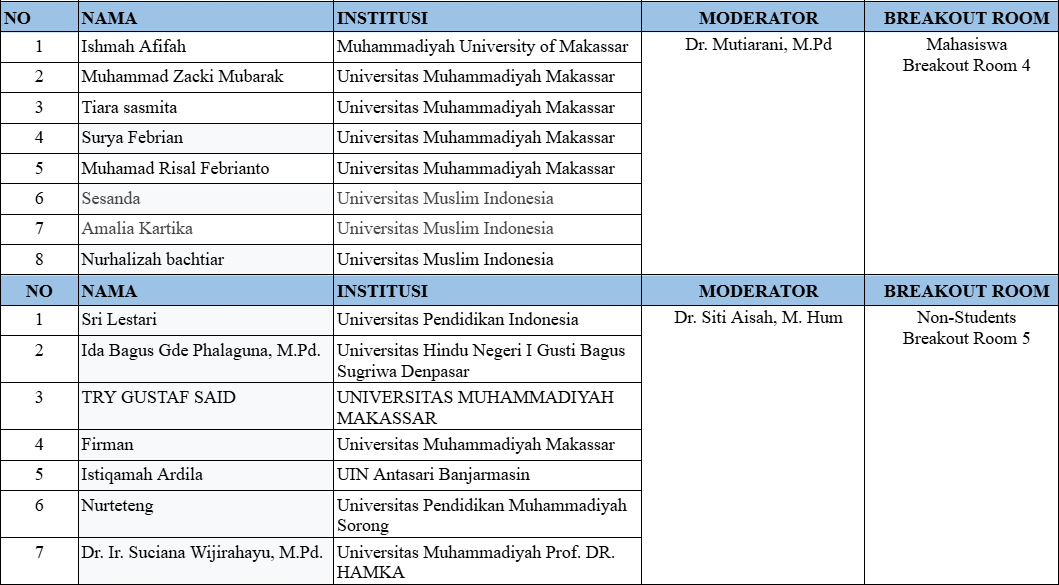
Keynote and Invited Speakers Abstract
PLATFORMISING ENGLISH ASSESSMENT: AFFORDANCES, ALIGNMENT AND AGENCY
Dr. Esther Tong
Head of Division of Languages and Communication and Director of Centre for Pedagogic Research
College of Professional and Continuing Education, The Hong Kong Polytechnic University
email: esther.tong@cpce-polyu.edu.hk
The digitalisation of higher education has transformed the infrastructures that underpin pedagogical innovation, curriculum design, and learning assessment. In the era of artificial intelligence (AI), language learning is increasingly mediated by hybrid intelligent ecosystems that combine digital platforms with integrated pedagogical practices. Growing concerns about validity, ethics, and equity have shifted the focus of language assessment from the evaluation of performance alone towards dynamic, authentic, and process-oriented approaches to assessment for and as learning. These developments challenge traditional formative assessment practices and call on language educators to reposition themselves as pedagogical designers capable of integrating platformised approaches to teaching, learning, and assessment. Within this digitally mediated ecosystem, frontline practitioners are increasingly required to redesign assessment as a socially situated practice of engagement and entanglement within hybrid intelligent, platform-enabled environments. This paper examines how platformisation creates new opportunities to enhance assessment feedback literacy, foster reciprocal agency, and strengthen assessment authenticity. Drawing on three technology-mediated assessment initiatives, it demonstrates how digital platforms can support a more integrated, learner-centred approach to language assessment.
FROM CULTURAL SHARING TO INTERCULTURAL AWARENESS: EXPLORING STUDENTS’ INTERCULTURAL COMMUNICATIVE COMPETENCE IN A VIRTUAL INTERCULTURAL EXCHANGE
Noni Agustina
English Language Education, Universitas Esa Unggul, Jakarta, Indonesia
email: noni@esaunggul.ac.id
In many EFL higher education contexts, students have limited opportunities to engage in meaningful intercultural interaction, making virtual intercultural exchange important as a pedagogical space where they can encounter cultural differences, negotiate meanings, and reflect on their own and others’ cultural assumptions. This study explores students’ experiences of intercultural learning and awareness through cultural sharing in a virtual intercultural exchange involving universities in Jakarta, Bali, Vietnam, the Philippines, Ecuador, and Costa Rica. Using narrative inquiry, this study involved 25 students who voluntarily participated in semi-structured interviews after joining the three-session exchange. Framed by Byram’s concept of intercultural communicative competence, the study focused on students’ intercultural attitudes, intercultural knowledge, skills of interpreting and relating, skills of discovery and interaction, and critical cultural awareness. The findings show that the exchange enabled students to move beyond cultural sharing toward deeper intercultural awareness. Students’ narratives revealed curiosity, openness, and willingness to listen before judging unfamiliar cultural practices. They also gained knowledge about cultural values, traditions, food, festivals, family life, communication styles, religion, and everyday practices. Through interaction, students compared cultural similarities and differences and recognized that cultural practices may differ in form but share similar underlying values. They also used active listening, questioning, clarification, online searching, and peer confirmation to understand unfamiliar cultural meanings. The study suggests that guided virtual cultural sharing can support students’ experiences of intercultural communicative competence in EFL higher education contexts.
Keywords: Virtual intercultural exchange; cultural sharing; intercultural awareness; intercultural communicative competence; narrative inquiry
DECOLONIZING ENGLISH LANGUAGE TEACHING: RETHINKING PEDAGOGY AND THE USE OF AI
Ahmed Bashir
Professor, University of Dhaka, Bangladesh
President, Bangladesh English Language Teachers Association (BELTA)
email: abashir@du.ac.bd
English language teaching in many parts of the world is rooted in a colonial legacy that often marginalizes local languages and epistemologies in favour of Western linguistic norms and cultural values. Taking the case of Bangladesh, the talk argues for decolonizing ELT by re-examining the intersections of language, power, and pedagogy. The dominance of ‘native-speaker’ models and imported standardized curricula perpetuates linguistic hierarchies, affecting learners’ identities, self-worth, and access to equitable education. Through a postcolonial lens, this presentation critiques current ELT practices and the use of AI, which is often treated as a threat to education, as it introduces digital neo-colonialism and mechanized learning. While critiquing AI, the talk emphasizes ethical and critical AI literacy as a form of Freirean praxis. The talk also advocates for a shift towards culturally responsive pedagogy. In doing so, it calls for the promotion of critical awareness of linguistic hegemony, critical pedagogy, critical AI literacy, and integration of local languages, culture, literature, and knowledge systems into the curricula. Finally, the talk offers some strategies for stakeholders, including educators, policymakers, and curriculum designers, to transform ELT and AI into a decolonial, inclusive, and empowering tool in an EFL/ESL context.
CORPUS-ASSISTED REFLECTIVE PRACTICE FOR STEM LECTURER PROFESSIONAL DEVELOPMENT IN THE EMI HIGHER EDUCATION CONTEXT
Dr. Angela Farrell
University of Limerick, Ireland
The presentation focuses on a Corpus-Based Reflective Practice (CBRP) approach for the professional development of Science, Technology, Engineering, and Mathematics (STEM) lecturers transitioning to English Medium Instruction (EMI) in higher education. Globally, as well as in specific implementation contexts such as Algeria—where EMI policy was formally adopted in 2022—the transition faces systemic pedagogical challenges, including inadequate lecturer language skills, a lack of awareness regarding the dual role of content and language teaching, insufficient student language proficiency, and a reliance on traditional teacher-centered instruction. To overcome these obstacles, successful EMI requires a shift toward learner-centered teaching that promotes high classroom interaction to simultaneously support subject content acquisition and English language development. The CBRP approach facilitates this transition by utilizing corpus linguistics to heighten lecturers’ awareness of their interactional language patterns through evidence-based data. In a study involving a three-day workshop with 20 STEM lecturers in Algeria (CEFR B2 level), initial corpus findings revealed a dominance of lecturer talk and a lack of strategic questioning. Guided reflections on these data enabled participants to recognize their language usage and understand the crucial need for developing interactional strategic competence to enhance student engagement in the EMI classroom.
TEACHERS AT THE CENTER: HUMANIZING ENGLISH LANGUAGE EDUCATION IN THE AGE OF AI
Prof. Sandra Kaneko-Marques, Ph.D.
University of São Paulo (USP), Brazil
This presentation explores the transformative impact of Generative AI (GenAI) on language education. Tracing the evolution of educational technology from early Computer-Assisted Language Learning (CALL) to the current era of GenAI, the author highlights how AI shifts the technological paradigm from merely processing information to actively generating and co-creating content. While GenAI offers significant pedagogical benefits such as individualized feedback, automated tasks, and personalized learning paces, it also introduces critical challenges, including data ethics, algorithmic bias, plagiarism, and the risk of teacher de-skilling due to overreliance. To navigate this complex landscape, the presentation emphasizes the urgent need to advance from basic digital literacy to GenAI fluency, positioning skills like prompt engineering as essential new competencies for educators. Ultimately, the core argument advocates for the prioritization of “teacher agency,” urging teacher education programs to empower educators to critically question, evaluate, adapt, and reflect upon AI tools rather than passively consuming them. The overarching goal is to prevent AI dependency and instead foster critically informed, reflective, and agentic professionals who can make ethical, pedagogical decisions in the modern classroom.
Keyword: Generative AI (GenAI), Teacher Agency, Digital Literacy, Digital Fluency, English Language Education, Teacher Education, Prompt Engineering
Presenters Abstract
WHEN STUDENTS WITH DISABILITIES STRUGGLE TO SPEAK ENGLISH: RECLAIMING EMPATHY THROUGH AI-ENHANCED INCLUSIVE SCHOOL CULTURE
Abstract ID: 167
Ramli
Universitas Islam Internasional Indonesia
Corresponding email: ramli@students.uiii.ac.id
This qualitative case study investigates how empathy-driven school culture and inclusive policy shape English language learning for students with disabilities, with a specific focus on speech delay, in an Indonesian inclusive primary school. Situated at SD Semut-Semut in Depok, the study employs semi-structured interviews, classroom and school-wide observations, and document analysis to examine (a) teachers’ and principals’ understandings of empathy, (b) practices through which empathy is institutionalized in school culture, and (c) the implications of empathy-informed culture for advocacy-oriented policy and classroom support for English speech development. Findings indicate that empathy is conceptualized as a multidimensional professional competence cognitive, affective, and compassionate rather than as pity or charity. This competence is embedded in individualized education programs, flexible assessment practices, and collaborative arrangements between classroom teachers and GPK (shadow teachers), which together scaffold participation for learners with speech and language delays. Empathy-driven practices manifest in simplified instructions, differentiated indicators of achievement, and emotionally secure classroom climates that encourage oral engagement in English. At an institutional level, empathy is sustained through structured coordination, continuous inclusive training, and quality control mechanisms that align the school’s philosophy of “everybody is unique” with everyday pedagogical decision-making. The study argues that institutionalizing empathy as an ethical and cultural framework is critical for bridging the persistent gap between inclusive policy and practice and for advancing targeted, sustainable support for English speech development among students with disabilities.
Keywords: Empathy; Inclusive; Speech Delay; disabilities; school culture.
STUDENTS’ PERCEPTIONS OF AI CHATBOTS AS SPEAKING PARTNERS AND THEIR SOCIAL COMPETENCE IN EFL SPEAKING PRACTICE
Abstract ID: 156
Noor Aida Aflahah, Hafizhatu Nadia, Elsa Marina Desiarti
Universitas Muhammadiyah Banjarmasin
Corresponding email: nooraida_aflahah@umbjm.ac.id
Artificial Intelligence (AI) chatbots have become increasingly popular in English as a Foreign Language (EFL) learning by providing interactive and flexible opportunities for speaking practice. While previous studies have demonstrated their effectiveness in improving linguistic performance, limited research has explored their contribution to students’ social competence. This study aimed to investigate EFL students’ perceptions of AI chatbots as speaking partners and examine their perceived social competence after using AI chatbots for English speaking practice. A descriptive quantitative design was employed involving 74 undergraduate EFL students. Data were collected using a validated and reliable questionnaire comprising 28 items. The findings showed that ChatGPT (75.7%) and Gemini (62.2%) were the most frequently used AI chatbots for speaking practice. Overall, students expressed positive perceptions toward AI chatbots. More than 80% agreed that AI chatbots encouraged more frequent speaking practice, improved speaking fluency, provided meaningful conversational opportunities, and enabled learning beyond the classroom. Students also perceived AI chatbots as easy to use, responsive, and capable of providing contextually relevant interactions. Regarding social competence, most participants reported confidence in initiating and maintaining conversations, understanding conversational intentions, following conversation flow, and adapting their communication to different contexts. However, lower levels of agreement were found in their ability to respond appropriately, express ideas clearly, and organize their thoughts in English conversations. These findings indicate that AI chatbots can serve as effective speaking partners while supporting the development of students’ social competence. Nevertheless, pedagogical guidance remains essential to enhance higher-order communicative skills in AI-assisted EFL learning.
Keywords: Artificial Intelligence, AI Chatbot, EFL, Speaking Practice, Social Competence
SAME TEACHERS, NEW TECHNOLOGY: A TWO-WAVE LONGITUDINAL CASE STUDY OF INDONESIAN EFL TEACHERS’ SELF-EFFICACY IN THE GENERATIVE AI ERA
Abstract ID: 243
Aulia Rahmawati
Universitas Muhammadiyah Palembang
Corresponding email: auliarahmawati.edu@gmail.com
Teacher self-efficacy in technology integration is widely recognized as a key factor influencing teachers’ responses to technological change. However, little is known about how the same teachers’ self-efficacy develops across successive technological transitions. This study investigated how Indonesian EFL teachers’ technology integration self-efficacy, first documented during the COVID-19 emergency remote teaching period in 2022, evolved as those same teachers began integrating generative artificial intelligence (Gen AI) into their teaching in 2026. A two-wave longitudinal qualitative case study was conducted with five of the six teachers who participated in the original study. Data were collected using the Generative AI Self-Efficacy (GAISE) questionnaire and semi-structured interviews. The questionnaire showed that all participants demonstrated high levels of pedagogical and critical/evaluative confidence. However, the interview findings revealed that confidence in operating AI tools was derived from prior technology integration experience, whereas confidence in integrating AI into teaching and in critically evaluating AI-generated content developed through new learning and professional experience, regardless of teachers’ initial technology integration self-efficacy. Participants also reported limited AI-specific professional development, the absence of institutional AI policies, and concerns about academic integrity as continuing challenges. These findings suggest that prior technology integration self-efficacy provides an important foundation for adopting Gen AI but is insufficient on its own to support effective pedagogical and evaluative use of AI. The study contributes longitudinal evidence on the development of teacher Gen AI self-efficacy. It highlights the importance of professional development that strengthens teachers’ pedagogical and evaluative capacities alongside their technical AI skills.
Keywords: AI-TPACK; EFL teachers, teachers’ self-efficacy; generative AI; two-wave longitudinal study
HUMAN-CENTERED OPEN AND DISTANCE LEARNING: SUSTAINING STUDENTS THROUGH THE EXPERIENCE OF UNIVERSITAS TERBUKA, INDONESIA
Abstract ID: 162
Widya Rizky Pratiwi
Universitas Terbuka
Corresponding email: widya_pratiwi@ecampus.ut.ac.id
The rapid expansion of digital technologies has transformed open and distance learning (ODL), increasing access to higher education across diverse geographical and socio-economic contexts. However, access alone does not ensure student resilience, engagement, or well-being. This paper explores how a human-centered approach to ODL sustains students through the experience of Universitas Terbuka, Indonesia, one of the world’s largest open universities, serving more than 767,000 students across 39 regional learning centers and one overseas learning service. Using an institutional case study and reflective practice approach, the paper examines how student resilience is fostered through flexible learning pathways, responsive tutoring, multi-channel academic support, AI-assisted services, and continuous student feedback. Rather than positioning technology as the primary driver of learning success, the analysis highlights the importance of designing learning ecosystems that accommodate students’ diverse learning conditions, professional responsibilities, geographical challenges, and well-being. The findings indicate that student resilience is shaped not only by learners’ adaptability but also by institutional systems intentionally designed to be flexible, responsive, and human-centered. Institutional evaluations further show that while approximately 87% of students report satisfaction with university services, they consistently value timely communication, meaningful feedback, responsive academic support, and accessible information as key contributors to persistence and well-being. This paper argues that sustaining students in ODL requires a shift from technology-centered implementation to human-centered system design, where digital technologies strengthen rather than replace meaningful human interaction. The Universitas Terbuka experience offers practical insights for developing more inclusive, resilient, and sustainable learning ecosystems across diverse higher education contexts.
Keywords: human-centered learning, , open and distance learning, , student resilience,, student well-being, , digital education
THE IMPLEMENTATION OF FUTURE LEARNING ECOSYSTEMS IN THE DIGITAL ERA USING HUMAN-CENTERED DIGITAL TEACHING PRACTICES (HCDTP) MODEL
Abstract ID: 143
Ratu Sarah Pujasari, Asri Siti Fatimah, Santiana
Universitas Siliwangi
Corresponding email: ratusarah@unsil.ac.id
This study introduces and examines Human Centered Digital Teaching Practices (HCDTP), a learning ecosystem model that integrates digital technology with humanistic approaches to sustain student centred education in the digital era. The research aims to advance institutional innovation in human development and competitiveness, particularly within the strategic framework of Universitas Siliwangi. Applying a description of qualitative single case study design, this research conducts an in-depth exploration of how HCDTP principles are enacted within a specific educational context in Technology Enhanced Language Learning Course for the fifth grade at Universitas Siliwangi, Tasikmalaya, West Java, Indonesia. The HCDTP model is conceptualised around five core principles (1) human centred values, emphasizing empathy toward students’ emotional and educational needs; (2) digital learning ecosystem, promoting iterative design and real world relevance; (3) pedagogical practices, fostering collaborative and shared learning experiences; (4) human technology interaction, ensuring inclusive and accessible education; and (5) learning outcome, enhancing educational effectiveness through adaptive digital solutions. This research contributes to the growing discourse on socially responsible educational technology and offers a practically grounded model for future digital learning ecosystems.
Keywords: digital learning ecosystem, human-centered education, human-centered digital teaching practices, qualitative case study, technology integration
UNDERSTANDING UNDERGRADUATE STUDENTS’ ADOPTION AND RESPONSIBLE USE OF ARTIFICIAL INTELLIGENCE IN THESIS WRITING: INTEGRATING THE THEORY OF PLANNED BEHAVIOR AND PROBLEM BEHAVIOR THEORY
Abstract ID: 147
Dodi Zain
Universitas Muhammadiyah Purwokerto
Corresponding email: zaindodi777@yahoo.com
The increasing use of artificial intelligence (AI) has transformed undergraduate thesis writing, creating opportunities while raising concerns about responsible academic use. Guided by the Theory of Planned Behavior and Problem Behavior Theory, this study explores the factors influencing students’ intention to use AI, how AI is integrated throughout the thesis-writing process, and how students balance its benefits with ethical and cognitive concerns. A qualitative phenomenological approach was employed with 12 undergraduate English as a Foreign Language (EFL) students. Data were collected through semi-structured interviews and analyzed using thematic analysis. The findings indicate that students’ intention to use AI was driven by positive perceptions of its usefulness, confidence in using AI tools, and support from their academic environment. Participants strategically integrated AI into multiple stages of thesis writing, including idea generation, literature searching, outlining, drafting, language refinement, grammar checking, and paraphrasing. Although AI enhanced writing efficiency, linguistic quality, confidence, and cognitive support, students also recognized risks related to inaccurate information, overreliance, plagiarism, and limited functionality of free AI tools. To mitigate these risks, participants adopted protective strategies, such as verifying AI-generated information with scholarly sources, comparing outputs across multiple AI platforms, and exercising critical judgment before incorporating AI-generated content into their work. These findings suggest that AI functions as a valuable but fallible academic partner, underscoring the need to integrate AI literacy and responsible AI practices into higher education to promote effective and ethical thesis writing.
Keywords: artificial intelligence, thesis writing, undergraduate students, Theory of Planned Behavior, Problem Behavior Theory, AI literacy
INTEGRATING THE 5D THINKING ESSENTIALS INTO ENGLISH TEACHER EDUCATION: A CONTENT ANALYSIS OF PRAGMATIC FEATURES IN LEARNING MODULES
Abstract ID: 149
Hidayah Nor , Adinda afifah anwar, M.Sayid Wijaya
UIN Antasari Banjarmasin
Corresponding email: hidayahnor@uin-antasari.ac.id
Pre-service English teachers need to have instructional materials that foster higher-order thinking and communicative competence in order to prepare them for today’s language classrooms. Although there is growing attention to transformative teacher education, there is little understanding of the integration of critical thinking with pragmatic aspects of language use in English learning modules. The study examines the integration of the 5D Thinking Essentials into English learning modules for pre-service English teachers and the encouragement of pragmatic competence in the modules. This study reports on the English learning module developed for pre-service English teachers using qualitative content analysis. The analysis is concerned with the integration of the five dimensions of thinking, as well as pragmatic features like speech acts, politeness strategies, contextual language use, intercultural communication, and authentic communicative tasks. The data are systematically coded and categorized, and interpreted thematically to identify recurring pedagogical patterns and instructional emphases. The analysis shows that the modules include a number of elements of the 5D Thinking Essentials, such as reflective activities, inquiry-based activities, collaborative learning, and problem-solving activities. These results provide opportunities for enhancing the convergence of transformative thinking with pragmatic language instruction. This study contributes to English teacher education through the proposal of a framework of instructional material design that can simultaneously develop higher-order thinking and pragmatic competence, thereby better preparing the pre-service English teachers to be able to teach language effectively and contextually.
Keywords: 5D Thinking Essentials, English Teacher Education, Learning Modules
HUMAN COMPETENCE IN THE AGE OF MACHINE TRANSLATION: CHALLENGES FOR TRANSLATION LEARNERS
Abstract ID: 145
Pebri Prandika Putra Wieke Wido Wati
Universitas Islam Negeri Fatmawati Sukarno Bengkulu, STIESNU Bengkulu
Corresponding email: pebriputra@mail.uinfasbengkulu.ac.id
This study investigates the contrastive differences between English and Indonesian in expressing past tense, commonly referred to in Indonesian linguistics as the kala (tense) system. It aims to identify, describe, and analyze how past tense is marked in English compared to Indonesian, as well as to examine the translation techniques applied at the word, phrase, clause, and sentence levels. A descriptive qualitative approach with content analysis was employed, using R.E. Elson’s political biography of Suharto as the primary data source. The findings reveal that English follows strict morphosyntactic rules in constructing past tense sentences, whereas Indonesian exhibits no obligatory grammatical marking for tense, relying instead on contextual and lexical time markers. Regarding translation strategies, literal translation was the most frequently applied technique (24 data, 52%), followed by modulation (8 data, 17%), adaptation (3 data, 6.5%), and a combined category of alteration, omission, equivalence, and transposition (4 data, 8.6%). These findings underscore the structural asymmetry between the two languages in encoding temporal meaning and highlight the translator’s role in compensating for this asymmetry through diverse translation strategies. The study contributes to contrastive linguistics and translation studies by offering empirical evidence on how tense-related meaning is negotiated across typologically different languages.
Keywords: contrastive analysis; past tense; kala system; translation techniques; English–Indonesian translation
STUDENTS’ AI USE DISCLOSURE IN EFL ACADEMIC WRITING: WHAT, WHY, AND HOW THEY REPORT AI ASSISTANCE
Abstract ID: 150
Noor Maulidiyah
UIN Antasari Banjarmasin
Corresponding email: noormaulidiyah@uin-antasari.ac.id
This paper aims to analyze students’ AI use disclosures in their academic writing assignments. Specifically, it examines the generative AI tools students used, how they used them, and why they used them. It also explores the extent to which students transparently reported AI assistance in their writing. This study employed a qualitative descriptive research design. The data were collected from 49 students who completed a self-report on their use of AI tools while writing their EFL argumentative research papers. The students were given instructions on how to write the AI use disclosure. The findings reveal that ChatGPT was the most frequently used AI tool, primarily for brainstorming and generating ideas, organizing writing, and improving language. DeepL was predominantly used for translation. Although the students were instructed to elaborate on their AI use, many disclosures provided limited explanations of how and why the AI tools were used. The findings of this study contribute to the emerging literature on the responsible and ethical use of generative AI and academic integrity in EFL academic writing by highlighting AI-use disclosure as an important dimension of responsible AI practices and offering insights into how students communicate their AI-assisted writing processes.
Keywords: AI Use Disclosure, Academic Writing, Transparency, Academic Integrity
STUDENT ENGAGEMENT IN ARTIFICIAL INTELLIGENCE-BASED LEARNING: AN ANALYSIS OF BEHAVIORAL, EMOTIONAL, AND COGNITIVE ENGAGEMENT
Abstract ID: 151
Dyah Kusumastuti
Universitas Muhammadiyah Purwokerto
Corresponding email: dyahkusumastuti@ump.ac.id
This study aims to describe the level of student engagement in Artificial Intelligence (AI)-based learning by examining three dimensions of engagement: behavioral, emotional, and cognitive. The respondents were students of the English Education Study Program at one of private universities in Banyumas, Central Java, Indonesia. Data were collected through a Likert-scale questionnaire (1–5) and analyzed descriptively. The results showed that student engagement was at a high level across all three dimensions. The average scores were 12.80 (out of 15) for behavioral engagement, 12.67 (out of 15) for emotional engagement, and 21.09 (out of 25) for cognitive engagement. These findings indicate students’ readiness to respond to the integration of AI in learning. Further research is recommended to analyze these aspects using a correlational quantitative approach or causal models such as Structural Equation Modeling (SEM) to explore the relationships between engagement and a broader range of factors.
Keywords: Student Engagement, AI-based Learning, Higher Education, Artificial Intelligence
INVESTIGATING CHATGPT INTEGRATION IN ACADEMIC WRITING
Abstract ID: 152
Maria Olga Jelimun
Universitas Katolik Indonesia Santu Paulus Ruteng
Corresponding email: nimaria721@gmail.com
This study aimed to examine the effectiveness of ChatGPT in improving the academic writing performance of first-year students in the English Language Education Study Program at Universitas Katolik Indonesia Santu Paulus Ruteng. As artificial intelligence continues to gain prominence in education, it is important to evaluate the effectiveness of ChatGPT as a tool to support English language learning, particularly in academic writing. This study employed a quantitative experimental research design. The participants were students from classes 2024 A, 2024 B, 2024 C, and 2024 D of the English Language Education Study Program. Total sampling was applied, involving all students from the selected classes. Data were collected through writing tests conducted under two conditions: without ChatGPT assistance and with ChatGPT assistance. A five-point Likert scale questionnaire was also administered to identify students’ perceptions of ChatGPT in academic writing. The data were analyzed using SPSS version 26 through descriptive statistics, normality and homogeneity tests, and a Paired Samples T-Test. The findings revealed a significant improvement in students’ writing performance after using ChatGPT. The mean score increased from 56.14 in the manual writing condition to 83.77 in the ChatGPT-assisted condition, with a significance value of 0.000 (p < 0.05). The results indicate that ChatGPT positively contributed to improving grammar accuracy, vocabulary usage, idea development, and organization. Furthermore, most students expressed positive perceptions toward the use of ChatGPT in academic writing. In conclusion, ChatGPT is an effective tool for enhancing students’ academic writing performance and can support English language learning when used critically and responsibly.
Keywords: Chatgpt; Students’ Perception; Academic Writing;
A DOUBLE-EDGED SWORD OF CHATGPT IN STUDENTS’ WRITING PROCESS HIGHLIGHTING BENEFITS AND POTENTIAL DANGERS
Abstract ID: 157
Ratih Novita Sari
Universitas Muhammadiyah Prof Dr HAMKA
Corresponding email: ratihnovitasari@uhamka.ac.id
The integration of Artificial Intelligence (AI), particularly ChatGPT, into education presents both opportunities and challenges in the student writing process. This research explores the benefits and potential dangers of using ChatGPT for writing exposition texts among senior high school students. Using a qualitative approach with an Interpretative Phenomenological Analysis (IPA) design, data were collected from ten students of XI.2 Inglan 2 through in-depth interviews, observations, and document analysis. The findings reveal that ChatGPT provides significant support across all stages of writing. During pre-writing, it assists students in generating ideas and organizing outlines. In the drafting stage, it helps structure paragraphs effectively. During revision, ChatGPT improves grammar, vocabulary, and coherence. However, two major concerns emerged. First, excessive reliance on ChatGPT may lead to dependency, potentially weakening students’ critical thinking skills. Second, the use of AI may reduce writing originality, as students reported that their texts often became generic and lacked personal voice. This research concludes that ChatGPT can be a valuable tool in writing instruction when used responsibly. Educators should promote critical AI literacy to ensure that AI supports, rather than replaces, the development of students’ authentic writing abilities.
Keywords: ChatGPT, EFL Writing, Educational Technology, Student Dependency, Writing Originality
HUMAN-AI CO-DESIGN IN ENGLISH MICROTEACHING: PRE-SERVICE TEACHERS’ REFLECTIONS ON LESSON SEQUENCING, PROMPTING, AND PEDAGOGICAL ALIGNMENT
Abstract ID: 158
Fika Megawati , Sheila Agustina, Saltanat Meiramova, Altyn Bakhitova
Universitas Muhammadiyah Sidoarjo
Corresponding email: fikamegawati@umsida.ac.id
This study explores how pre-service English teachers use generative artificial intelligence to support microteaching design, classroom practice, and lesson revision. The study responds to current debates in English language teaching that position AI as a pedagogical support tool requiring teacher agency, prompt literacy, and critical verification. Data were collected from open-ended reflections submitted after an English microteaching class. A qualitative descriptive design was used to examine students’ reflective accounts of AI-assisted lesson planning and teaching practice. The analysis followed open coding, category development, and thematic interpretation. The findings indicate that students mainly used AI to organize lesson sequences, develop teaching steps, design assessments, and simplify learning activities. They also reported difficulty in condensing core teaching activities into a short microteaching format while maintaining meaningful learning. In writing prompts, students tended to include topic, learner level, time allocation, learning model, and available media to obtain more contextual AI-generated suggestions. During microteaching practice, several challenges emerged, including time mismatch, passive learner responses, unclear classroom instructions, and the need to adjust activities to real classroom interaction. Students responded to these challenges by revising AI outputs, simplifying tasks, shortening instructions, and checking the alignment among objectives, activities, and assessment. The study concludes that AI can assist English microteaching design, but it cannot replace pedagogical judgment. AI-assisted microteaching should therefore emphasize prompt literacy, critical review, time testing, and objective-assessment alignment as core competencies in pre-service English teacher education.
Keywords: generative AI, English microteaching, lesson planning, prompt literacy, AI literacy
AN INTEGRATED METACOGNITIVE-STRATEGIES FRAMEWORK FOR TECHNOLOGICAL-ENHANCED EFL LEARNING
Abstract ID: 164
Suciana Wijirahayu
Universitas Muhammadiyah Prof. DR. HAMKA
Corresponding email: sucianawijirahayu@uhamka.ac.id
Purpose/Objective: The widespread adoption of digital technologies has profoundly transformed English as a Foreign Language (EFL) education, necessitating a deeper understanding of how learners effectively engage with these modern contexts. Drawing on Self-Regulated Learning (SRL) and Sociocultural Theories, this study investigates the crucial link between metacognition, learning strategies, and technology integration in EFL classrooms, aiming to understand how digital tools can move beyond mere availability to maximize educational impact. Methodology/Approach: To achieve this, we conducted a systematic literature review synthesizing existing research on digital EFL learning environments. This synthesis was utilized to develop a novel, comprehensive conceptual model: the Integrated Metacognitive-Strategic Framework for Technology-Enhanced EFL Learning. Key Findings/Outcomes: The review reveals that while technology significantly facilitates metacognitive processes and supports diverse learning strategies (cognitive, socio-affective, and compensatory), the development of these skills in digital environments is not automatic. Instead, successful integration heavily depends on intentional pedagogical design and explicit teacher support. Significance: These findings underscore that technology alone is insufficient for language acquisition; rather, the field of English language education must prioritize cultivating self-regulated, strategic digital learners. This framework provides educators and curriculum designers with an actionable approach to foster learners’ independence and enhance linguistic proficiency in an evolving digital landscape.
Keywords: Metacognition, Learning Strategies, EFL, Technology-Enhanced Learning, Self-Regulated Learning
“AI VS AI” LOOP IN HIGHER EDUCATION ELT: EXPLORING THE HUMAN ELEMENT IN AI-GENERATED ASSIGNMENTS AND STUDENT SUBMISSIONS
Abstract ID: 214
Nurteteng, Rizqi Claudia Wardani
Universitas Pendidikan Muhammadiyah Sorong
Corresponding email: nurteteng@unimudasorong.ac.id
This qualitative case study investigates the emerging phenomenon of the “AI vs AI” loop in higher education ELT, where university lecturers utilize generative AI to design coursework and tasks while students simultaneously employ AI tools to generate their responses. Conducted at the English Language Education Department of Universitas Pendidikan Muhammadiyah Sorong, this study aimed to explore how the human element, specifically teacher agency, critical thinking, and student voice, is preserved or compromised within this automated cycle. Data were collected through semi-structured interviews with EFL lecturers and pre-service teacher students, document analysis of AI-generated assignments alongside student submissions, and student reflective logs. The findings reveal that relying solely on automated task generation and completion creates a mechanical learning environment that threatens academic integrity and diminishes student ownership over their L2 writing. However, when lecturers actively exercise pedagogical agency by redesigning tasks into process-based, context-rich, and reflective prompts, the automated cycle is effectively disrupted. Students were encouraged to critically evaluate AI outputs, integrating localized contexts and personal insights, which restored their critical agency and authentic voice. This study underscores the critical need to shift from passive AI adoption to human-centered ELT material design. The implications highlight that humanizing language education in the AI era relies not on banning generative tools, but on empowering educators to design AI-resilient, process-oriented tasks that cultivate higher-order thinking and preserve genuine human engagement in university EFL classrooms.
Keywords: AI vs AI loop, teacher agency, student ownership, humanizing ELT, qualitative case study
BEYOND SURFACE CULTURE: RECONCEPTUALISING INTERCULTURAL COMMUNICATIVE COMPETENCE THROUGH GRAMMATICAL WORLDVIEW AWARENESS IN INDONESIAN EFL CONTEXT
Abstract ID: 166
Susanto, Pradnya Permanasari
Universitas Pekalongan
Corresponding email: susanto.unikal@gmail.com
Research on intercultural communicative competence (ICC) in Indonesian EFL contexts has long conflated “culture” with its surface manifestations — customs, social values, and communicative practices — while systematically neglecting a deeper dimension: the way grammatical structures encode and reproduce distinct cultural worldviews. This conceptual article proposes a reconceptualisation of ICC that extends Byram’s (1997) foundational model by introducing grammatical worldview awareness (GWA) as a missing component of intercultural competence in EFL pedagogy. By elaborating on the relationship between the Indonesian–English agentivity divergence — as mapped in its typological predecessor — and the speaker’s self-construal as an agent in everyday events, this article argues that Indonesian EFL learners’ difficulty in producing natural English agentive constructions is not merely a grammatical problem, but reflects a deeper cultural unawareness of how language mediates the human relationship with events in the world. The article proposes a three-layered pedagogical framework — linguistic awareness, cultural reflection, and pragmatic production — intended to guide the development of EFL instructional materials that integrate ICC through grammatical consciousness-raising. The implications of this reconceptualisation are particularly relevant for EFL curriculum design at the senior high school level and for in-service EFL teacher training within the Indonesian Kurikulum Merdeka policy framework.
Keywords: intercultural communicative competence, grammatical worldview awareness, Indonesian EFL, agentivity, ICC reconceptualisation, Kurikulum Merdeka
EVALUATING THE ACCURACY OF NLP-BASED ERROR DETECTION AND AUTOMATED FEEDBACK IN ENGLISH STUDENT WRITING
Abstract ID: 262
Masrul, Safni Marwa, Fauzan Azim
Universitas Pahlawan Tuanku Tambusai
Corresponding email: masrulm25@gmail.com
This study aims to evaluate the performance of a Natural Language Processing (NLP)-based system in detecting, correcting, and providing automated feedback on English writing errors made by English as a Foreign Language (EFL) students. This research used a machine learning-based experimental approach with a dataset consisting of 1,000 essays, which were divided into a 70% training set, 15% validation set, and 15% testing set. The system integrated BERT-based Error Detection, Transformer-based Grammar Correction, Semantic Similarity Analysis, and a Feedback Generation Module to identify five error categories, namely grammar, spelling, punctuation, word choice, and sentence structure errors. The evaluation results showed that this model achieved a macro F1 score of 0.9119, an AUC-ROC of 0.889, and an Average precision of 0.947. The highest performance was found in spelling errors with an F1 score of 0.939, while sentence structure errors showed relatively lower performance. In addition, this system obtained a semantic similarity score of 0.930 and a human evaluation of 4.40/5, which indicates that the correction results were able to maintain the meaning of the writing and the feedback was considered quite accurate, relevant, and clear. Overall, the findings of this study indicate that the integration of NLP and transformer-based models has the potential to support the development of automated feedback capable of assisting students and teachers in the process of evaluating and revising English writing more quickly and systematically.
Keywords: Automated Feedback, EFL Writing, Error Detection, Grammar Correction, Natural Language Processing.
AUTHENTICITY JUDGMENTS OF INDONESIAN EFL STUDENTS IN GENERATIVE AI-ASSISTED ENGLISH LEARNING: AN INTERPRETIVE QUALITATIVE STUDY
Abstract ID: 274
Selamat Husni Hasibuan, Heridayani, Pirman Ginting, Rini Susanti
Universitas Muhammadiyah Sumatera Utara
Corresponding email: selamathusni@umsu.ac.id
This study examines how undergraduate EFL students conceptualise authentic learning when generative artificial intelligence (AI) becomes part of their English learning practices. It addresses the question of how students determine whether AI-assisted activities still constitute genuine learning. An interpretive qualitative design was employed at a private university in Medan, North Sumatra, Indonesia. Six undergraduate EFL students who had experience using generative AI for English learning participated in semi-structured interviews conducted between March and June 2026. Interviews were conducted individually in Bahasa Indonesia, audio-recorded with informed consent, transcribed verbatim, and translated into English. Data were analysed inductively using reflexive thematic analysis following Braun and Clarke’s six-phase framework, with attention to participants’ experiences, reflections, and judgments concerning AI assistance, cognitive effort, ownership, and learning. The findings indicate that students valued AI for its accessibility, immediate explanations, and ability to facilitate understanding. However, they also raised concerns about reduced intellectual effort, cognitive dependence, and delegating thinking. Authentic learning was not defined by the absence of AI but by meaningful cognitive engagement, independent judgment, personal understanding, and responsibility for learning. The study suggests that authentic learning in AI-mediated EFL education is an ongoing process of authenticity judgment, through which learners negotiate the boundary between meaningful assistance and cognitive substitution. These findings highlight the need for English language educators to move beyond simply regulating AI use and instead develop students’ capacity to make informed judgments about when and how AI supports genuine learning.
Keywords : generative artificial intelligence, authentic learning, authenticity judgments, AI-assisted language learning, EFL students.
ADAPTIVE AI IN EFL HIGHER EDUCATION: FROM COGNITIVE PERSONALIZATION TO AFFECTIVE SUPPORT
Abstract ID: 275
Sulkifli
Universitas Muhammadiyah Makassar
Corresponding email: sulkifli@unismuh.ac.id
Artificial intelligence is increasingly used in English as a Foreign Language (EFL) education to personalize content, task difficulty, pace, and feedback. Yet personalization is still commonly driven by performance data, while the affective conditions of language learning receive less systematic attention. This conceptual paper examines how adaptive AI can retain cognitive personalization while incorporating pedagogically responsible affective support. It develops a theory-building synthesis from verified foundational work on foreign language anxiety, research on achievement emotions, recent reviews of personalized adaptive learning and AI-assisted EFL emotions, empirical studies published through 2026, and UNESCO guidance on human-centred AI. The evidence is mixed rather than uniformly positive: AI-mediated interaction can create low-risk practice, flexible pacing, and personalized feedback, but effects on anxiety vary by task and design, and poorly calibrated feedback or opaque emotion recognition can introduce new pressure. Drawing these strands together, the paper proposes a dual-layer framework in which cognitive personalization is complemented by five affective-support functions: calibrated challenge, low-stakes rehearsal, feedback regulation, learner agency and pacing, and human oversight with data restraint. Affective support is treated as a pedagogical design principle, not a clinical mental-health function. The framework offers a practical basis for designing and testing adaptive AI that responds not only to what EFL learners know, but also to the conditions under which they can participate, take communicative risks, and learn.
Keywords: Adaptive AI; affective support; cognitive personalization; EFL; foreign language anxiety
CHATGPT-BASED INTELLIGENT INSTRUCTIONAL MODEL FOR ENHANCING EFL LEARNERS’ WRITING SKILLS: STUDENTS AND TEACHERS’ PERCEPTIONS AND PRACTICES
Abstract ID: 209
Ilham
Universitas Muhammadiyah Mataram
Corresponding email: ilham.ummataram@gmail.com
Chat GPT is currently receiving a lot of attention particularly in writing especially in writing and globally. Writing in higher education has been the subject of numerous studies. Chat GPT is a new technological tool that many students are using. With regard to technological advancements, artificial intelligence (AI)-based technologies like chat GPT can help overcome difficulties with paragraph writing. However, teachers’ and students’ perception of Chat GPT as a digital tool for English writing are known. Using a qualitative case study approach, the study explores lecturers and students’ perspective on using Chat GPT as a tool to support English writing. Three lecturers who were familiar with chat GPT and nine students participated. Questionnaires and in-depth interviews are the instruments to collect the data. Findings showed students and teachers responded positively overall to using Chat GPT to help improve students’ writing quality. Additionally, Chat GPT was providing useful writing features, and aiding language development. This study suggests AI technologies like Chat GPT play an important role in facilitating high-quality student paragraph writing.
Keywords: Writing; artificial intelligence (AI); chat GPT; EFL students and teacher
MAKING LEARNING VISIBLE IN THE AI ERA: EXPLORING AI-ASSISTED LESSON-PLAN REVISION AMONG HIGH-PERFORMING PRE-SERVICE EFL TEACHERS
Abstract ID: 277
Dewi Atikah, Abd Haris Takulani, Nur Hasanah Safei, Anita Rezki
UIN Kendari
Corresponding email: dewi.atikah70@gmail.com
Generative artificial intelligence (AI) has increasingly transformed how pre-service teachers develop instructional materials, raising an important assessment question: how can teacher educators evaluate student learning when AI can generate seemingly competent lesson plans? This qualitative multiple-case study explores how high-performing pre-service EFL teachers use, evaluate, and transform AI-generated pedagogical suggestions through peer and lecturer feedback. Two pre-service teachers, selected as the first- and third-place winners of a microteaching competition, participated in the study. Data consisted of participants’ AI prompt and response records, initial and revised lesson plans, peer and lecturer feedback, written reflections, and semi-structured interviews. Data were analyzed thematically, with particular attention to AI use, feedback engagement, revision decisions, pedagogical reasoning, and evidence of learning. The study focuses on revision episodes in which participants encountered AI suggestions and human feedback, evaluated their relevance, and decided whether to accept, modify, or reject them. Preliminary analysis indicates that AI functioned not only as a content generator but also as a source of ideas and pedagogical support. However, participants did not consistently accept AI-generated suggestions, particularly when these conflicted with considerations of learner level, time, feasibility, and instructional objectives. Peer and lecturer feedback prompted further reflection on alignment among learning objectives, activities, assessment, and learner needs. The findings suggest that students’ revision processes and reflective justifications provide valuable evidence of pedagogical learning that cannot be captured by evaluating the final AI-assisted lesson plan alone. The study highlights the potential of process-oriented assessment for making learning visible in AI-mediated teacher education.
Keywords: Generative AI, EFL Teacher Education, Lesson Planning, Process-Oriented Assessment, Pedagogical Learning
HUMAN-CENTERED ASSESSMENT OF DIGITAL ENGLISH FOR BUSINESS COMMUNICATION IN THE AGE OF AI
Abstract ID: 276
Ali Syahban Amir
Institut Turatea Indonesia
Corresponding email: alisyahbanamir.intijpt@gmail.com
Artificial intelligence is reshaping language assessment, yet digitally mediated instruction still requires human judgment, contextualized tasks, and transparent criteria. This study examined the effectiveness and assessment implications of digital instructional materials for English for Business Communication (EBC) among undergraduates in a Development Economics program at an Indonesian higher education institution. Using the implementation and evaluation phases of an ADDIE-based research-and-development study, 30 students participated in small- and larger-group trials. Data were obtained from pre- and post-tests, observations, student and lecturer response questionnaires, and analytic rubrics covering vocabulary, email coherence, and business language use. Mean performance increased from 62.4 to 80.3, representing a 17.9-point gain (t = 6.85, p < .001). Vocabulary improved from 68.4 to 79.2, email coherence from 65.0 to 76.5, and business language use from 61.2 to 74.3, with the latter showing the largest proportional increase. Student and lecturer responses reached 89.6% and 91.2%, respectively, indicating strong acceptance and practicality. The findings show that digital EBC instruction can support measurable learning gains when assessment remains authentic, multidimensional, and lecturer-mediated. In the age of AI, technology should function as a scaffold for practice and reflection rather than replace human evaluation. The study supports assessment designs that combine digital access, authentic professional communication, analytic rubrics, and teacher judgment to preserve both rigor and human agency
HUMANIZING PRONUNCIATION PRACTICE: INTEGRATING AI-ASSISTED SPEECH TOOLS WITH PHONETIC DRILLING TO ENHANCE STUDENTS’ SPEAKING SKILLS
Abstract ID: 281
Iim Khairunnisa, Dalpah Triwidiah, Eka Dewi Fithrotunnisa, Putri Silvia, Aida Afrilia
STKIP Syekh Manshur
Corresponding email: iimkhairunnisa89@gmail.com
In many English classrooms, helping students speak with confidence and clear pronunciation remains a daily challenge, often due to limited practice time and anxiety over making mistakes. This study explores a warm, human-centered approach to blending modern technology with traditional language teaching by integrating AI-assisted speech tools into the phonetic drilling method. Rather than replacing the personal touch of a classroom, digital speech tools serve as a supportive companion that gives students a safe, private space to practice their pronunciation at their own pace. Using a true experimental design, the research involved sixty eleventh-grade students at MAN 3 Pandeglang, divided equally into an experimental group experiencing this blended approach and a control group. The quantitative findings reveal a meaningful improvement in the students’ speaking proficiency and clarity. Beyond the numbers, the classroom observations highlight a wonderful shift: when technology handles repetitive pronunciation drills, teachers have more emotional space and time to mentor, encourage, and connect deeply with their students. Ultimately, this study shows how thoughtful, humanized technology integration can breathe new life into English language teaching, making speaking practice both effective and deeply personal.
Keywords: Phonetic drilling, speaking skills, humanizing technology, English language teaching, pronunciation
WHEN AI MEETS TORAJA: HUMANIZING ENGLISH LANGUAGE EDUCATION THROUGH CULTURE, ETHICS, AND TEACHER AGENCY
Abstract ID: –
Markus Deli Girik Allo
Toraja Christian University, Indonesia
Corresponding email: –
Generative artificial intelligence (GenAI) is reshaping English language education by enabling rapid text generation, feedback, translation, lesson planning, and learning-material development. Yet the educational value of these tools cannot be separated from the cultural and relational contexts in which language teaching occurs. This study investigates how a human-centred approach to AI can be conceptualized for English language education in Toraja, Indonesia, with particular attention to culture, ethics, and teacher agency. A qualitative document analysis was conducted on 11 purposively selected sources published between 2023 and 2026, comprising international AI-in-education guidance, empirical and conceptual studies on GenAI in language education and teacher agency, and a Toraja-specific study of high-context EFL classroom communication. The documents were analyzed through iterative coding, cross-document comparison, and thematic synthesis. Four interrelated themes were identified: (1) AI is most educationally defensible when it augments rather than displaces human pedagogical judgment; (2) culture functions as an interpretive filter for AI-generated language and representations; (3) AI ethics in language education is relational as well as procedural, involving authorship, privacy, accuracy, cultural representation, and responsibility; and (4) teacher agency operates as a form of pedagogical governance that determines when, why, and how AI should be used. From these findings, the study develops the Culture-Ethics-Teacher Agency (CETA) Framework for Humanizing AI in English Language Education. The framework positions AI as a pedagogical resource under human and culturally situated oversight. The study concludes that responsible AI integration in Toraja should be evaluated not by the amount of technology used, but by its contribution to meaningful learning, cultural integrity, ethical responsibility, and sustained teacher-student relationality.
Keywords: generative artificial intelligence; English language education; Toraja; high-context culture; ethics; teacher agency; human-centred pedagogy
THE ANALYSIS OF STUDENTS PERCEPTIONS OF SONGS, PODCASTS, AND LEARNING STRATEGIES IN LISTENING SKILLS DEVELOPMENT
Abstract ID: 270
Intan Suryani Shaputri
Universitas Muhammadiyah Semarang
Corresponding email: putrisha234@gmail.com
Listening plays a crucial role in mastering English as a foreign language because it supports comprehension and interaction, which are essential for successful communication. For many learners, listening forms the first gateway to understanding English input before they are able to produce speech, making it one of the most fundamental language skills. However, students frequently find listening difficult due to factors such as unfamiliar vocabulary, fast speech, and limited exposure to authentic materials. The purpose of this study is to explore students’ perceptions of improving listening skills through songs, podcasts, and metacognitive learning strategies. This research was conducted at Universitas Muhammadiyah Semarang by distributing a ten-item questionnaire to 30 students of the English Education Department. The questionnaire assessed their opinions regarding the effectiveness of songs, podcasts, and strategies such as planning, monitoring, and evaluating in enhancing their listening ability. The findings revealed that students generally viewed listening as a challenging skill but believed that digital media and self-regulated learning strategies could make the process more enjoyable and effective. Integrating songs, podcasts, and metacognitive strategies was found to enhance motivation, focus, and comprehension. The study concludes that technology-based learning combined with reflective learning techniques can help EFL students build confidence and autonomy in listening comprehension. In addition to its role in language learning, listening also plays a significant function in students’ academic success, particularly in higher education contexts. In the context of higher education, listening skills are not only required in language classrooms but also across academic disciplines. Many learning resources, such as online lectures, academic presentations, webinars, and instructional videos, are delivered in English. As a result, students with limited listening proficiency may experience difficulties understanding course materials, participating in discussions, and completing academic tasks. Therefore, improving listening skills becomes a crucial academic requirement rather than merely a language learning objective. Along with these academic demands, the increasing use of digital technology in education has changed how students access and engage with learning materials. Today’s students are exposed to various forms of digital audio content through smartphones and personal devices. This condition creates opportunities for integrating digital media, such as songs and podcasts, into language learning. When listening materials are aligned with students’ daily habits, learning becomes more meaningful and relevant. Consequently, understanding students’ perceptions of digital listening practices is essential for designing effective and contextualized instruction.
Keywords: listening skill, songs, podcasts, metacognitive strategy, students’ perception
THE IMPORTANCE, CHALLENGES, AND STRATEGIES IN DEVELOPING ENGLISH LISTENING COMPREHENSION
Abstract ID: 265
Hana Ibtihaj
Universitas Muhammadiyah Semarang
Corresponding email: hanaibti05@gmail.com
In learning English, listening comprehension is essential. However, in many classrooms, it is still the most neglected skill to be developed. It is the foundation skill for all the other language skills (speaking, reading, and writing) to develop. It is still a significant means of alienation and communication in everyday life. The process of listening in class is quite the opposite of the communication skills and topics that are mainly concentrated on in the class. Listening is one of the most critical aspects in language learning, but its practice is still limited. A gap has been found between teaching and implementing listening skills in learners, and studies confirm that this gap affects positively or negatively the learners’ ability to handle real conversation. Pointing to the many reasons for the struggles of the EFL students, research mentions several issues like the speed of natural speech, accents, and others. Besides, some features of connected speech make it even more difficult. Before all that, psychological issues (anxiety, for instance) are at work. The good thing is that there is some evidence that strategies can help one overcome these difficulties. Normally, the way that conventional practices take up the areas of language comprehension and skill building, with the former being the priority, raises serious questions in language education. The perfect idea is to use the Task Based Language Teaching approach. The use of multimedia tools and technology that expose students to authentic and exciting material is another central point. Trainers can teach cognitive and metacognitive strategies promoting independence among students. It appears that going for the interactive and learner-centered methods can change the scenario a lot. The changes made would not only make the students strong listeners but also confident users of spoken English.
Keywords: Listening Comprehension, English Language Learning, EFL Challenges, Teaching Strategies.
THE ANALYSIS OF INNOVATIVE DIGITAL APPROACHES TO LISTENING SKILLS IN EFL CONTEXTS
Abstract ID: 267
Safira Putri Aprillia
Universitas Muhammadiyah Semarang
Corresponding email: sfiratssss@gmail.com
Listening skills are a crucial foundation in English as a Foreign Language (EFL) learning, yet they are often neglected due to limited exposure to authentic spoken language and passive teaching methods. To address these challenges, various studies have focused on teaching innovations and technological interventions aimed at improving learners’ listening comprehension. Research indicates that the integration of digital technology plays a key role in this development. Approaches such as the use of mobile learning applications provide flexible and interactive learning experiences, while digital audio platforms such as podcasts and music streaming services have also been found to strengthen learners’ listening proficiency through repeated and self paced exposure to authentic speech (Angelia & Simanjuntak, 2023; Salainti & Pratiwi, 2021). Similarly, the utilization of social media platforms like Instagram has been shown to boost motivation and exposure to authentic listening practices through English videos and content (Agustin & Ayu, 2021), and digital storytelling has likewise been found to significantly improve EFL learners’ listening comprehension and attitudes (Akdamar & Sütçü, 2021). In addition to technology, creative pedagogical strategies are also important. The use of games (such as Running Dictation and Whispering Games) creates an enjoyable learning atmosphere, reduces anxiety, and promotes active participation (Syafii et al., 2020). Furthermore, formative online assessment via Learning Management Systems (LMS) is highlighted for providing instant feedback, objectivity, and continuous support for learners (Slamet & Mukminatien, 2024). Overall, these studies point to a paradigm shift from conventional methods towards interactive and technology based learning, confirming that digital tools (mobile apps, social media, podcasts, LMS) and strategies like games are highly effective in improving the listening competence of modern learners. This study employs a quantitative research design. The main instrument is a structured questionnaire delivered via Google Forms. The questionnaire is closed-ended with 15 statements, measured using a three-point Likert scale (1 = agree, 2 = neutral, 3 = disagree) to obtain standardized ordinal data and minimize interpretation bias.
Keywords: Listening Skills, EFL, Technology Based Learning, Mobile Learning, Games, Quantitative Research.
EFL STUDENTS’ PERCEPTIONS OF MOBILE LEARNING AS A RESOURCE FOR SPEAKING CLASSES
Abstract ID: 263
Nanda Fatika Khasanah
University of Muhammadiyah Semarang
Corresponding email: nandafatika457@gmail.com
This study explores EFL students’ perceptions of mobile learning as a resource for speaking classes, focusing on perceived learning benefits, motivation, interaction, comfort, and overall satisfaction. Speaking is often challenging for EFL learners because opportunities to practice are limited and students may experience anxiety when speaking in conventional classrooms. Mobile learning can provide opportunities for students to practice speaking beyond classroom hours. This study used a quantitative approach with a structured questionnaire based on a five-point Likert scale. The questionnaire was administered to EFL students who had received speaking instruction via mobile-based platforms, including WhatsApp, Google Classroom, and similar applications. The data were analyzed descriptively to identify patterns in students’ responses. The findings show that students viewed mobile learning as a useful resource for speaking practice. It provided flexibility, encouraged participation, and helped reduce feelings of shyness and fear. However, students also reported several difficulties, particularly unstable internet connections and limited teacher feedback. Many students still preferred face-to-face speaking classes because they felt more motivated and received direct interaction. Therefore, mobile learning is more suitable as a complementary resource within blended learning.
Keywords: mobile learning, EFL speaking, students’ perceptions, speaking classes, blended learning.
COMMUNICATION INTERCHANGE: INVESTIGATING SPEECH ACCOMMODATION IN LECTURER-LEARNERS INTERACTION IN ELT AT UNIVERSITAS MUHAMMADIYAH MAKASSAR
Abstract ID: 246
Adni Dzilarsy Makina, Eny Syatriana, Ika Sastrawati
Universitas Muhammadiyah Makassar
Corresponding email: adni@bg.unismuhmakassar.ac.id
Communication in English Language Teaching (ELT) involves continuous interaction between lecturers and learners, in which participants may adjust their communication according to the interactional context. This study investigates the forms of communication accommodation employed by a lecturer and learners during classroom interaction in an ELT context at Universitas Muhammadiyah Makassar. A qualitative descriptive design was employed to examine naturally occurring communication in a Speaking for Advanced class. Data were collected through classroom observations across five instructional meetings and semi-structured interviews with selected students. The data were analyzed using Communication Accommodation Theory (CAT), particularly the concepts of convergence, divergence, and maintenance (Giles, 1973). The findings identified all three forms of communication accommodation. Convergence was the most prominent form and occurred through adjustments in vocabulary, speech rate, pronunciation, sentence structure, repetition, and language choice by both the lecturer and learners. Divergence appeared less prominently when participants maintained communicative differences, including target-language expectations and certain established learner communication patterns. Maintenance occurred when participants continued established language choices, response patterns, or interactional styles without substantial adjustment. Overall, the findings indicate that communication accommodation was reciprocal but not necessarily symmetrical, as both the lecturer and learners adjusted their communication while maintaining aspects of their established communicative patterns. The study highlights the context-dependent nature of communication accommodation and demonstrates how both lecturers and learners actively shape classroom interaction in ELT.
Keywords: classroom interaction; communication accommodation; convergence; divergence; English Language Teaching
BEYOND COPY-PASTE: REGULATING GENERATIVE AI VIA PROMPT GUIDEBOOK AND ITS IMPACT ON EFL STUDENTS’ WRITING EFFICACY AND RHETORICAL QUALITY
Abstract ID: 253
Andi Nur Alfiah Insani Amin, Ismail Sangkala, St. Asmayanti AM
Universitas Muhammadiyah Makassar
Corresponding email: andinuralfiah@bg.unismuhmakassar.ac.id
Generative AI integration in EFL writing instruction has gained significant attention, yet previous studies have largely overlooked the ethical process of how students interact with these tools. This quasi-experimental research investigates the effectiveness of the DeepSeek application as a regulated digital scaffolding tool in improving students’ writing skills in composing hortatory exposition texts. Employing a non-equivalent control group design, the study involved 50 eleventh-grade students divided into experimental and control groups, with data analyzed through descriptive statistics, normality and homogeneity tests, Wilcoxon test, and Mann-Whitney U test. The findings reveal that both DeepSeek-assisted instruction and conventional methods significantly improved students’ writing scores, as evidenced by the Wilcoxon test results (p = 0.000). Strikingly, the Mann-Whitney U test revealed no statistically significant difference between the two groups (p = 0.748 > 0.05), a pedagogical breakthrough demonstrating that ethically-guided AI use, strictly regulated by a Prompt Guidebook, produces outcomes comparable to well-designed human collaborative learning. This parity confirms that students maintained cognitive agency throughout the writing process, proving that teachers and effective pedagogy remain irreplaceable in the digital age. These findings carry profound implications for EFL pedagogy, curriculum development, and institutional AI policies.
Keywords: DeepSeek Application, Writing Skills, Hortatory Exposition Text
NAVIGATING ACADEMIC WRITING WITH AI: HOW STUDENTS EMPLOY AI WRITING TOOLS ACROSS THE WRITING PROCESS
Abstract ID: 252
Regia Mutmainna Zyam, Ardiana, Muhammad Zia Ul Haq
Universitas Muhammadiyah Makassar
Corresponding email: regia@bg.unismuhmakassar.ac.id
Academic writing is demanding for EFL undergraduate students, who must plan, draft, and revise texts. AI writing tools offer immediate feedback and language support, making them a potential aid throughout this process. This study examines how students employ these tools for different purposes during the planning, drafting, and revising stages of academic writing. A qualitative descriptive-exploratory design was used, involving ten purposively selected English Education students with prior experience using AI writing tools. Data were collected through semi-structured interviews and non-participant observation, then analyzed according to each stage of the writing process. The findings show that students used AI throughout the entire writing process, but for different purposes at each stage: during planning, AI helped clarify task instructions and generate topic ideas, while topic selection remained the student’s own decision; during drafting, AI was mainly used to expand and connect ideas after an initial draft had been written, though this order sometimes shifted under deadline pressure; and during revising, AI was used to check content flow and correct grammar and vocabulary, with students applying their own judgment in deciding which suggestions to accept. These findings indicate that AI functioned as a recursive support tool integrated across the writing process rather than replacing any single stage, while students retained control over key writing decisions. This study contributes to a deeper understanding of AI-assisted academic writing practices and offers pedagogical implications for English language education.
Keywords: AI writing tools, academic writing, writing process, EFL students
AN INVESTIGATION OF CRITICAL THINKING IN PERSUASIVE WRITING OF MALE AND FEMALE NINTH GRADE STUDENTS
Abstract ID: 258
Siti Munhafiroh
S2 Pascasarjana universitas Islam Negeri Raden Mas Said Surakarta
Corresponding email: smunhafiroh@gmail.com
Critical thinking is essential in persuasive writing, requiring students to articulate opinions, justify arguments, and evaluate complex issues. This research investigated critical thinking skills in persuasive writing among ninth-grade students at SMP Al Firdaus Surakarta during the 2025/2026 academic year, while also examining gender-based differences. Grounded in Facione’s (1990) framework, the research analyzed six core skills: interpretation, analysis, evaluation, inference, explanation, and self-regulation. Employing a qualitative case research design, six students (three males, three females) were purposively selected. Data were gathered via classroom observations, semi-structured interviews, and document analysis of 12 persuasive essays (194 sentences) covering two topics: the Free Nutritious Meal Program (MBG) and Mobile Phone Use at School. The findings revealed that students demonstrated all six skills, with explanation being the most prevalent, followed by self-regulation, evaluation, analysis, inference, and interpretation (the least frequent). Most skills were displayed at a basic level, categorized overall as “developing critical thinkers.” Familiarity with the mobile phone topic generated richer arguments than the MBG topic. While both genders exhibited all six skills, male students presented arguments more directly, whereas female students offered more detailed, reflective explanations. Explicit instruction remains vital to further elevate these skills.
Keywords: Critical Thinking; Persuasive Writing; EFL Students; Facione Framework
IMPROVING STUDENTS’ READING COMPREHENSION USING MEDIUM APPLICATION
Abstract ID: 245
Andi Fahima Yanti, Ummi Khaerati Syam, Ariana
Universitas Muhammadiyah Makassar
Corresponding email: andifahima@bg.unismuhmakassar.ac.id
Reading comprehension remains a persistent challenge for Indonesian EFL students, particularly at the inferential level, which requires readers to draw conclusions and understand implied meaning beyond explicit text content. This study aimed to explore the impact of implementing the Medium application, an open publishing platform emphasizing authentic long-form content, on students’ reading comprehension in narrative texts, and to examine the factors contributing to students’ reading difficulties. The research employed a Classroom Action Research (CAR) design based on the Kemmis and McTaggart model, conducted over two cycles with 38 grade XI students at SMAN 18 Makassar, selected through purposive sampling. Data were collected through diagnostic and cycle-based reading comprehension tests covering five indicators: finding the main idea, identifying detailed information, identifying text structure, understanding implied meaning, and drawing conclusion, and were analyzed using descriptive statistics in SPSS. The results showed a significant and consistent improvement in students’ mean scores, from 58.75 in the diagnostic test to 83.03 in Cycle I and 91.71 in Cycle II, with the proportion of students in the Excellent category rising from 31.6% to 68.4%. The most notable gain occurred in identifying text structure, following explicit instruction introduced in Cycle II. These findings indicate that Medium, when integrated with structured pedagogical guidance, can serve as an effective authentic digital reading platform for strengthening students’ digital literacy and improving inferential reading comprehension in the EFL classroom.
Keywords: classroom action research, digital reading platform, inferential comprehension, Medium application, reading comprehension
TRANSLANGUAGING PRACTICES AND COMMUNICATIVE FUNCTIONS IN RELIGIOUS-ENGLISH LANGUAGE EDUCATION CONTENT ON TIKTOK: IMPLICATIONS FOR DIGITAL LITERACY
Abstract ID: 188
Amalia Kartika, Sulastri
Universitas Muslim Indonesia
Corresponding email: amelialia9309@gmail.com
Translanguaging is an approach that views multilingual speakers as users who integrate their entire linguistic repertoire to construct meaning (García & Wei, 2014). This study aims to identify translanguaging practices in religious and English language education content on TikTok, to examine the communicative functions of translanguaging across both types of content, and to explore the implications of these translanguaging practices for digital religious–English language education content. The study focused on two genres of TikTok content in Indonesia: English language learning videos by @NakulaEnglish and religious sermon (ceramah) content by @Okisetianadewi13, both combining Indonesian, Arabic, and English. The dataset consisted of ten TikTok videos, five from each account. The analysis was grounded in the theory of translanguaging (García & Wei, 2014) and pedagogical translanguaging (Cenoz & Gorter, 2021, 2022). Using a qualitative approach involving content and discourse analysis of TikTok transcripts, the study identified patterns of language use and their communicative functions. The findings showed that both accounts employed the same five forms of translanguaging but with markedly different distributions: @NakulaEnglish relied more on insertion and intrasentential translanguaging for pedagogical purposes, while @Okisetianadewi13 predominantly used entire translanguaging to preserve religious authority and accommodate diverse audiences. The results indicated that translanguaging functioned not only as a linguistic strategy but also as a pedagogical and communicative resource for enhancing audience understanding, building rapport, strengthening speaker authority, and shaping hybrid digital identities. The findings have important implications for the development of multilingual and culturally responsive digital learning environments.
Keywords: Translanguaging; Pedagogical Translanguaging; TikTok; religious discourse; English language education
DISCURSIVE ENACTMENTS OF DIGITAL TEACHER AGENCY IN ENGLISH MICROLEARNING: A QUALITATIVE CONTENT ANALYSIS OF INSTRUCTIONAL DISCOURSE IN INSTAGRAM REELS
Abstract ID: 230
Nurhalizah Bachtiar
Universitas Muslim Indonesia
Corresponding email: nurhalizahzaaa@gmail.com
Instagram Reels have become a prominent space for short-form English instruction, yet limited attention has been given to how digital educators enact teacher agency through instructional discourse. This preliminary study examines how digital teacher agency is discursively enacted in English microlearning on Instagram. The data comprise 30 purposively selected transcripts from three public English-learning accounts, with ten Reels from each account. Using qualitative content analysis, teacher agency is operationalized as observable pedagogical choices and positioning manifested through explaining, exemplifying, contrasting, correcting, reformulating, modelling, and engaging viewers. An initial reading identifies three interconnected enactments of agency. First, curricular agency is reflected in the selection and simplification of language content for brief, focused lessons. Second, pedagogical agency is enacted through contextualized examples, corrective feedback, reformulated responses, humour, and scenario-based explanations. Third, interactional agency emerges through direct address, rhetorical questions, and invitations for audience participation. The accounts also display distinct instructional orientations, including vocabulary and idiom explanation, IELTS speaking coaching, and contextualized error correction. These preliminary patterns suggest that digital teacher agency in short-form English education is constructed not only through what educators teach but also through how they linguistically organize explanations and position viewers as learners. The study contributes to discussions of teacher agency and professional identity in digital English language teaching and offers implications for preparing prospective teachers to design concise, engaging, and pedagogically purposeful microlearning content.
Keywords: digital teacher agency, English microlearning, instructional discourse, Instagram Reels, qualitative content analysis
ENGAGING LEARNERS THROUGH DIGITAL TECHNOLOGY: THE EFL PRESERVICE TEACHERS AGENCY DURING PRACTICUM
Abstract ID: 232
Sri Lestari, Ahmad Bukhori Muslim, Ika Lestari Damayanti
Universitas Pendidikan Indonesia
Corresponding email: sri.lestari@upi.edu
This study explored how EFL preservice teachers in Indonesia exercised their agency by integrating digital technology during a school-based teaching practicum. An ecological approach to teacher agency was employed in this study to examine the interactions among EFL preservice teachers’ beliefs about effective teaching, classroom realities, resources, and school constraints, and future aspirations. The study employed a qualitative case study design involving five EFL preservice teachers participating in a three-month teaching practicum at a high school. Data were collected through lesson plans, classroom observations, reflective journals, and interviews, and were analyzed thematically. The findings revealed that EFL preservice teachers actively initiated technology integration to enhance engagement, motivation, and relevance in their English lessons. They utilized digital tools to organize lessons, provide examples, support learning activities, encourage participation, and assess learning. However, their agency was often constrained by classroom conditions and rules. In response, they negotiated these challenges and developed alternative strategies. Additionally, the study found that EFL preservice teachers intend to continue integrating technology into their future teaching. This emphasizes the need for teacher education programs to prepare future English teachers to effectively integrate digital technology into their lessons, select appropriate tools for diverse contexts, and anticipate potential challenges.
Keywords: digital technology, ecological approach, preservice teacher, teacher agency, teaching practicum
“AI VS AI” LOOP IN HIGHER EDUCATION ELT: EXPLORING THE HUMAN ELEMENT IN AI-GENERATED ASSIGNMENTS AND STUDENT SUBMISSIONS
Abstract ID: 214
Nurteteng, Rizqi Claudia Wardani
Universitas Pendidikan Muhammadiyah Sorong
Corresponding email: nurteteng@unimudasorong.ac.id
This qualitative case study investigates the emerging phenomenon of the “AI vs AI” loop in higher education ELT, where university lecturers utilize generative AI to design coursework and tasks while students simultaneously employ AI tools to generate their responses. Conducted at the English Language Education Department of Universitas Pendidikan Muhammadiyah Sorong, this study aimed to explore how the human element, specifically teacher agency, critical thinking, and student voice, is preserved or compromised within this automated cycle. Data were collected through semi-structured interviews with EFL lecturers and pre-service teacher students, document analysis of AI-generated assignments alongside student submissions, and student reflective logs. The findings reveal that relying solely on automated task generation and completion creates a mechanical learning environment that threatens academic integrity and diminishes student ownership over their L2 writing. However, when lecturers actively exercise pedagogical agency by redesigning tasks into process-based, context-rich, and reflective prompts, the automated cycle is effectively disrupted. Students were encouraged to critically evaluate AI outputs, integrating localized contexts and personal insights, which restored their critical agency and authentic voice. This study underscores the critical need to shift from passive AI adoption to human-centered ELT material design. The implications highlight that humanizing language education in the AI era relies not on banning generative tools, but on empowering educators to design AI-resilient, process-oriented tasks that cultivate higher-order thinking and preserve genuine human engagement in university EFL classrooms.
Keywords: AI vs AI loop, teacher agency, student ownership, humanizing ELT, qualitative case study
AN INTEGRATED METACOGNITIVE-STRATEGIES FRAMEWORK FOR TECHNOLOGICAL-ENHANCED EFL LEARNING
Abstract ID: 164
Suciana Wijirahayu
Universitas Muhammadiyah Prof. DR. HAMKA
Corresponding email: sucianawijirahayu@uhamka.ac.id
Purpose/Objective: The widespread adoption of digital technologies has profoundly transformed English as a Foreign Language (EFL) education, necessitating a deeper understanding of how learners effectively engage with these modern contexts. Drawing on Self-Regulated Learning (SRL) and Sociocultural Theories, this study investigates the crucial link between metacognition, learning strategies, and technology integration in EFL classrooms, aiming to understand how digital tools can move beyond mere availability to maximize educational impact. Methodology/Approach: To achieve this, we conducted a systematic literature review synthesizing existing research on digital EFL learning environments. This synthesis was utilized to develop a novel, comprehensive conceptual model: the Integrated Metacognitive-Strategic Framework for Technology-Enhanced EFL Learning. Key Findings/Outcomes: The review reveals that while technology significantly facilitates metacognitive processes and supports diverse learning strategies (cognitive, socio-affective, and compensatory), the development of these skills in digital environments is not automatic. Instead, successful integration heavily depends on intentional pedagogical design and explicit teacher support. Significance: These findings underscore that technology alone is insufficient for language acquisition; rather, the field of English language education must prioritize cultivating self-regulated, strategic digital learners. This framework provides educators and curriculum designers with an actionable approach to foster learners’ independence and enhance linguistic proficiency in an evolving digital landscape.
Keywords: Metacognition, Learning Strategies, EFL, Technology-Enhanced Learning, Self-Regulated Learning
UNDERSTANDING EFL TEACHERS’ ASSESSMENT BELIEFS IN INDONESIAN HIGHER EDUCATION: PREFERENCES, GRADING DECISIONS, AND QUALITY ASSURANCE
Abstract ID: 259
Festif Rudolf Hoinbala
Artha Wacana Christian University
Corresponding email: festifrudolf@gmail.com
Teachers’ personal beliefs play a crucial role in shaping classroom-based assessment practices, yet empirical evidence from higher education EFL contexts in Indonesia remains limited. This study investigates Indonesian tertiary-level EFL teachers’ personal beliefs about language assessment, focusing on three dimensions: preferred assessment types and methods, the influence of student characteristics on grading decisions, and beliefs about assessment quality procedures. Using a quantitative survey design, data were collected from 197 EFL teachers across public and private universities in Indonesia through a structured questionnaire adapted from established assessment belief instruments. Descriptive statistical analyses reveal a strong endorsement of communicative and formative-oriented assessment practices, particularly oral presentations and feedback-rich assessment. Teachers also reported that student-related factors such as effort, general ability, and attitude frequently influence grading decisions, whereas demographic characteristics such as gender and age were perceived as largely irrelevant. Furthermore, respondents expressed near-unanimous agreement regarding core assessment quality principles, including validity, reliability, collaborative review, and transparent documentation. These findings suggest that Indonesian EFL teachers’ assessment beliefs are broadly aligned with contemporary learning-oriented assessment paradigms, while also highlighting ongoing tensions between holistic professional judgment and formal assessment standards. The study contributes to research on teacher cognition and language assessment literacy by providing context-sensitive evidence from higher education and underscores the importance of sustained professional development to strengthen belief–practice coherence in EFL assessment.
Keywords: EFL teachers; assessment beliefs; language assessment literacy; higher education; formative assessment
GENDER AND ACADEMIC-LEVEL DIFFERENCES IN AI USE FOR ACADEMIC WRITING IN INDONESIAN HIGHER EDUCATION
Abstract ID: 284
Ariyanti, Sukaena, Agnes Veronika
Universitas Widya Gama Mahakam Samarinda
Corresponding email: ariyanti@uwgm.ac.id
The rapid spread of AI chatbots has begun to reshape how university students plan, draft, revise, and evaluate academic writing. Although recent studies have examined students’ perceptions of generative AI in higher education, less is known about how students in regional Indonesian universities understand and use these tools, particularly when viewed across gender, age, and academic level. This study investigated the perceptions and reported use of AI chatbots among 267 students from four universities in East Kalimantan. A mixed-method survey design was used. Quantitative responses were analyzed through descriptive statistics and Spearman’s rho correlation, while open-ended responses were coded to identify the AI tools students reported using for academic writing. The results show that AI use was widespread, with 94.76% of respondents indicating that they had used AI in academic writing. Students generally held positive views of AI chatbots, especially for improving writing effectiveness, language quality, and the revision process. At the same time, their responses revealed continuing ethical and pedagogical uncertainty, particularly around learning, authorship, and the boundary between assistance and cheating. Correlation analysis showed weak relationships between students’ perceptions and gender, age, or semester, suggesting that AI chatbot use was broadly shared across demographic groups. The study offers regional evidence from Indonesian higher education and underscores the need for clearer AI literacy instruction, responsible-use guidelines, and process-based academic writing pedagogy.
Keywords: Academic rapid, AI Chatbots, Higher education
NAVIGATING MULTILINGUAL AND GENDERED REALITIES: EXPERIENCES OF FEMALE ELT TEACHERS IN THE CHITTAGONG HILL TRACTS, BANGLADESH
Abstract ID: 168
Sakiba Ferdousy
North South University, Dhaka
Corresponding email: sakiba.ferdousy@northsouth.edu
This study investigates the professional experiences of female English language teachers in multilingual higher secondary classrooms in the Chittagong Hill Tracts (CHT) of Bangladesh, with particular attention to how they navigate complex teaching environments shaped by linguistic diversity, gendered working conditions, and institutional constraints. It examines how these factors influence classroom practices, pedagogical decision-making, and the strategies teachers employ to facilitate English language learning in multilingual settings. A qualitative research design was employed, involving semi-structured interviews with 10 female ELT teachers. The study is framed within Vygotsky’s Sociocultural Theory and Constructivist Learning Theory, emphasizing interaction, scaffolding, and meaning-making in situated classroom practice. Thematic analysis was used to interpret the data. Findings indicate that teachers face persistent instructional challenges, including communication barriers arising from students’ diverse mother tongues, difficulties in explaining abstract English concepts, low classroom participation, and limited preparation in multilingual pedagogy. These challenges are further compounded by institutional constraints such as insufficient teaching materials and restricted access to professional development opportunities. Participants also report gender-related challenges, including limited mobility in remote areas, safety concerns during travel, and professional isolation. Despite these constraints, teachers demonstrate professional agency through adaptive strategies such as translanguaging, simplified English input, visual scaffolding, peer-supported learning, and contextually responsive explanations. The study highlights the important yet often under-recognized role of female ELT teachers in multilingual borderland contexts. It underscores the need for gender-responsive teacher education, strengthened institutional support, and inclusive policy frameworks that acknowledge linguistic diversity and the working conditions of women teachers.
Keywords: Multilingual classrooms, Chittagong Hill Tracts, Scaffolding
DOES TEACHER CERTIFICATION ENSURE DIFFERENTIATED INSTRUCTION? EVIDENCE FROM INDONESIAN EFL TEACHERS’ PERCEPTIONS AND CLASSROOM PRACTICES
Abstract ID: 204
Iis Sujarwati, Fitri Amalia
University of Bengkulu
Corresponding email: iissujarwati@unib.ac.id
Teacher certification is widely regarded as an indicator of professional competence and instructional quality. However, limited empirical evidence explains whether certification leads to the effective implementation of Differentiated Instruction (DI) in English as a Foreign Language (EFL) classrooms. This study investigated certified English teachers’ perceptions and classroom practices of DI and identified factors influencing the alignment or mismatch between them. An explanatory sequential mixed-methods design was employed involving 46 certified junior high school English teachers in Musi Rawas Utara Regency, Indonesia. Quantitative data were collected through questionnaires and analyzed using descriptive statistics, followed by classroom observations and semi-structured interviews analyzed thematically. The findings revealed that teachers generally held positive perceptions of DI; however, these perceptions were not consistently reflected in classroom practice. Only two of the four respondent teachers demonstrated a moderate level of DI implementation (70% and 76%), whereas the other two showed limited or no implementation (36% and 0%). Alignment between perceptions and practices was associated with a strong understanding of DI, high teaching motivation, positive professional attitudes, and participation in professional development. In contrast, the mismatch was influenced by limited instructional time and resources, large class sizes, students’ diverse readiness levels, teachers’ age and experience, and insufficient practical training. These findings challenge the assumption that teacher certification alone guarantees effective instructional innovation. Instead, they underscore the importance of continuous professional development that strengthens teachers’ practical competence in implementing DI. The study contributes to the literature on the teacher belief–practice relationship and offers implications for teacher education and professional development in EFL contexts.
Keywords: teacher certification, differentiated instruction, teacher beliefs, classroom practices
HOW EFFECTIVE IS GENERATIVE AI FOR ENGLISH LANGUAGE LEARNING? A META-ANALYSIS ACROSS ENGLISH LANGUAGE LEARNING OUTCOMES
Abstract ID: 227
Yulie Asni
Institut Agama Islam Negeri Parepare
Corresponding email: yulieasni@iainpare.ac.id
The increasing use of Generative Artificial Intelligence (GenAI) in English language education has created new opportunities for personalized learning, immediate feedback, and learner autonomy. However, empirical studies have reported inconsistent findings regarding its effectiveness across different English language learning outcomes. This study aims to examine the overall effectiveness of GenAI in English language learning and to determine whether its effectiveness varies across different English language skills. This study employs a meta-analysis following the Preferred Reporting Items for Systematic Reviews and Meta-Analyses (PRISMA 2020) guidelines. Relevant studies are being systematically identified through comprehensive searches of major academic databases using predefined inclusion and exclusion criteria. Eligible studies will be coded according to participant characteristics, educational level, GenAI intervention, language learning outcomes, and methodological features. Effect sizes will be synthesized using a random-effects model, and moderator analyses will be conducted to examine variations across English language skills. At the time of abstract submission, the systematic literature search and study screening process are in progress. Data extraction and statistical analyses will be conducted after the screening stage is completed. The completed study is expected to provide a comprehensive synthesis of the current evidence on the effectiveness of GenAI in English language learning and identify the language skills that benefit most from its implementation. The findings will contribute to evidence-based decision-making for English language educators, curriculum developers, and researchers by providing a clearer understanding of the pedagogical value of GenAI and identifying directions for future research in AI-assisted language learning.
Keywords: Artificial Intelligence, English Language Learning, English Language Education
EXPLORING EFL UNIVERSITY STUDENTS’ CRITICAL PERCEPTIONS OF GENERATIVE AI IN ACADEMIC WRITING
Abstract ID: 215
Alfian, Meiyanti
Universitas Esa Unggul
Corresponding email: alfian@esaunggul.ac.id
The rapid integration of Generative Artificial Intelligence (GenAI) has fundamentally disrupted English as a Foreign Language (EFL) academic writing. While institutional responses predominantly prioritize surveillance and academic integrity, empirical research examining learners’ critical lived experiences remains notably scarce. Grounded in a critical pedagogy framework, this qualitative phenomenological study investigated undergraduate EFL students’ critical perceptions of GenAI tools in higher education. Data were collected through semi-structured in-depth interviews and critical reflective journals from 20 university students. Thematic analysis was employed to examine how learners negotiate their authentic voice, conceptualize digital authorship, and perceive algorithmic bias when co-constructing texts with AI. Findings revealed profound tensions that although students valued the instrumental benefits of rapid linguistic enhancement, they experienced a significant dilution of learner agency. Participants engaged in complex ethical meaning making, frequently reporting that GenAI homogenized their culturally situated voices into standardized, culturally neutral discourse. Furthermore, students demonstrated an emergent, yet uneven, critical awareness of systemic algorithmic biases. The study concludes that language education must transition from prohibitive, surveillance-based policies toward the implementation of robust critical AI literacy frameworks. By amplifying student voices, this research offers actionable pedagogical strategies for humanizing AI integration, empowering EFL learners to navigate generative tools critically while firmly preserving their academic identity and professional agency.
Keywords: Generative AI, Critical Pedagogy, EFL Academic Writing, Learner Agency, Critical AI Literacy
HUMAN-AI COLLABORATION: ADVISEES’ PERSPECTIVES ON GENERATIVE AI AS A SCAFFOLDING TOOL AND ITS INFLUENCE ON THE UNDERGRADUATE THESIS SUPERVISION RELATIONSHIP
Abstract ID: 212
Indra Susanto
Universitas Katolik Indonesia Santu Paulus Ruteng
Corresponding email: indrassnt6@gmail.com
The rapid proliferation of Generative Artificial Intelligence (GenAI) has fundamentally disrupted traditional higher education paradigms, introducing complex pedagogical and ethical dimensions to capstone writing projects (Dwivedi et al., 2023). Drawing upon Vygotsky’s Sociocultural Theory, specifically the constructs of the Zone of Proximal Development (ZPD) and scaffolding (Vygotsky, 1978), this qualitative interpretive study investigates how undergraduate thesis writers utilize GenAI as a digital scaffold and how this integration alters their dyadic supervision relationships. Semi-structured interviews were conducted with twelve final-year undergraduate students ($N=12$) at Universitas Katolik Indonesia Santu Paulus Ruteng during the 2025/2026 academic year. The thematic analysis revealed that students strategically position GenAI as an agentic conversational partner to navigate acute cognitive barriers, such as writer’s block and structural formulation, while maintaining a strict boundary between automated linguistic refinement and human-centered cognitive synthesis (Salleh et al., 2025). Furthermore, the presence of AI as a “covert third wheel” induces polarized transparency strategies—ranging from strategic non-disclosure out of surveillance anxiety to radical transparency intended to validate academic integrity (Harding & Boyd, 2024; European Business Review, 2025). Crucially, the elimination of low-level mechanical errors via pre-consultation with AI serves to “up-shift” the pedagogical focus of face-to-face human supervision meetings toward high-level conceptual, methodological, and interpretive discourse. Ultimately, this study argues against reductionist binary policies of prohibition or uncritical endorsement, advocating instead for a reflexive, hybrid human-AI supervision model that preserves the pastoral, contextual authority of the human mentor while optimizing digital scaffolds.
Keywords: Generative AI; Digital Scaffolding; Zone of Proximal Development; Thesis Supervision; Higher Education Policy; Qualitative Interpretive Design
MOTIVATION AND AGENCY IN AI-ASSISTED GRAMMAR LEARNING OF FUTURE ENGLISH TEACHERS
Abstract ID: 217
Carla Sih Prabandari
Universitas Sanata Dharma
Corresponding email: carla@dosen.usd.ac.id
Research has shown that AI-mediated language learning can influence learner motivation, self-regulation, and confidence. Prospective English teachers are increasingly engaging with AI to support their language development. This qualitative case study investigates the motivation for, frequency of, and agency regarding the use of Artificial Intelligence (AI) tools among students in grammar learning. The study involves students of the bachelor’s degree in the English Language Education program in Indonesia. Using a questionnaire and a focus group discussion, the study aims to answer four research questions: (1) What challenging grammar concepts and application tasks motivate students to use AI? (2) How do students utilize AI to address these challenges? (3) In what ways do they demonstrate learner agency regarding AI use? Data reveals that despite generally moderate-to-high confidence in core topics, students encounter significant application difficulties. These challenges motivate them to use AI tools, including ChatGPT, Grammarly, and Google Gemini, and integrate them into study routines. As found in previous research, EFL learners perceive AI tools as highly beneficial. This aligns with the perceptions of the students in this study, who find these tools “Very helpful” or “Quite helpful.” Crucially, students demonstrate a sense of learner agency by acknowledging the limitations of AI. Many note that AI output requires double-checking because it “can also be wrong”, and they express concern that reliance on these tools might decrease critical thinking skills. These findings contribute to current discussions on AI-supported grammar learning and teacher education, particularly the integration of AI to enhance learner autonomy.
Keywords: AI-assisted grammar learning, Learner motivation, Learner agency, Future English teachers, Responsible AI integration Sub-theme: Transformative Learning and Critical AI Use
VERBAL PEDAGOGICAL INTERACTION IN SIMULATED TEYL MICROTEACHING: PATTERNS, CHALLENGES, AND IMPLICATIONS FOR HUMANIZING ENGLISH TEACHER EDUCATION
Abstract ID: 228
Rizkariani Sulaiman
Universitas Muslim Indonesia
Corresponding email: rizka.sulaiman@umi.ac.id
Pedagogical interaction is central to Teaching English to Young Learners (TEYL), as learning opportunities are shaped by instructional activities, how teachers question, respond, correct, and organize learner participation. This study examines patterns and recurring challenges of verbal pedagogical interaction in simulated TEYL microteaching conducted by pre-service English teachers. The data comprise transcripts from 15 video-recorded sessions in which pre-service teachers taught peers who assumed the roles of young learners. The study therefore focuses on teachers’ enacted verbal practices rather than authentic children’s responses. Using qualitative classroom discourse analysis, interactional episodes involving teacher initiation, learner response, and teacher follow-up were examined across five dimensions: feedback practices, error treatment, turn-taking and participation management, learner positioning, and pedagogical language. Preliminary analysis indicated that interaction was predominantly teacher-led, with frequent display questions, brief or choral responses, and short evaluative feedback. Errors were commonly addressed through direct correction or immediate provision of expected answers, providing limited opportunities for learner elaboration and self-repair. Although songs, games, rewards, and volunteering generated visible behavioral engagement, participation remained largely teacher-controlled and was not consistently dialogic. Supportive practices, including praise, reassurance, and invitations to participate, were also evident, but they coexisted with controlling directives and potentially face-threatening corrections. These findings highlight the need for microteaching preparation that strengthens elaborative feedback, supportive error treatment, equitable participation, agentive learner positioning, and respectful pedagogical language, thereby supporting more humanizing and interactionally responsive English teacher education.
Keywords: pedagogical interaction, simulated TEYL microteaching, pre-service English teachers, classroom discourse, humanizing teacher education
EXPLORING EFL UNIVERSITY STUDENTS’ ACCEPTANCE OF LECTURER AI INTEGRATION IN ELT CLASSROOMS
Abstract ID: 222
Anne Ratna Suminar
Institut Pendidikan Indonesia
Corresponding email: anners@institutpendidikan.ac.id
To fully appreciate the trend of Artificial Intelligence (AI) in English Language Teaching (ELT), it is essential to analyze how educators interpret it from a student’s perspective. A quantitative descriptive study was conducted to determine the acceptance of AI integration by EFL university lecturers in classroom settings. A questionnaire adapted from the Technology Acceptance Model (TAM) was used to collect data from 106 active EFL undergraduates, which was then analyzed using descriptive statistics. The study revealed that the students’ acceptance rating was classified as “Moderate” (M= 3.30, SD = 0.88). According to M= 3.53, students had high positive ratings for lecturers who employed AI, acknowledged that AI can make difficult subjects more manageable (M= 3.48), and were enthusiastic about adapting to AI-based teaching methods (M = 3.40). Additionally, the majority of students supported broader AI adoption among other lecturers (M= 3.43). On the other hand, students were cautious in certain aspects, with their least acceptance being in their willingness to accept that they are being rated and judged by AI (M = 3.07), their long-term commitment to continuously support AI integration (M= 3.16) and their skepticism regarding the need to use AI feedback to improve core language skills (M= 3.10). These findings suggest that lecturers should create clear, sensible guidelines for evaluation and grading in order to gain more trust from students and encourage them to accept higher technology.
Keywords: Acceptance, AI Integration, ELT Classrooms
ENGLISH INSTRUCTORS’ READINESS TO INTEGRATE AI IN ENGLISH CLASS: AN ECOLOGICAL PERSPECTIVE
Abstract ID: 229
Shelia Anjarani
Universitas Muhammadiyah Purwokerto
Corresponding email: sheliaanjarani@ump.ac.id
Artificial intelligence has become part of everyday teaching, yet whether English instructors are actually ready to work with it depends on more than personal attitude alone. This study examined the micro-, meso-, and macro-level factors shaping English instructors’ readiness to integrate AI at the Language Center, a private university language unit in Banyumas, Central Java, using Bronfenbrenner’s ecological framework. A qualitative descriptive design was employed, drawing on semi-structured interviews with four instructors and analyzed through Braun and Clarke’s six-phase thematic analysis. At the micro level, instructors treated AI as pedagogical support rather than a replacement for their own judgment, deliberately regulating its use and adapting it to different classroom needs. At the meso level, readiness relied more on informal collaboration among colleagues than on formal institutional training, with the existing curriculum quietly shaping how far AI use could go. At the macro level, instructors responded to pressures beyond their control, including the disruption of COVID-19, a digitally native student generation, and external professional standards. Together, these findings indicate that readiness at Language Center was instructor-driven rather than institution-driven, built through individual initiative, peer support, and adaptation to forces largely outside the institution’s reach. The study offers an ecological account of AI readiness that highlights the instructor as the central figure holding these layers together.
Keywords: artificial intelligence, readiness, ecological perspectives, English class
IS AI A TEACHING ASSISTANT OR A THREAT? ENGLISH LECTURERS’ PERSPECTIVES ON ARTIFICIAL INTELLIGENCE IN ELT
Abstract ID: 220
Dyah Supraba Lastari, Aidil Syah Putra, Elsa Januariska
Universitas Muhammadiyah Tangerang
Corresponding email: lastaridyahsupraba@gmail.com
In recent years, Artificial Intelligence (AI) has been increasingly used to support students in developing language skills through personalized learning, instant feedback and easy access to learning resources. AI tools are widely used to assist lesson preparation, writing, language practice, and assessment. Despite those benefits, the growing use of AI has sparked debate over whether it is assisting or threatening the role of lecturers in English Language Teaching (ELT). Therefore, this study explored whether English lecturers perceive AI as a teaching assistant or a threat in ELT. A qualitative case study was conducted involving three lecturers from the English Education Study Program at Universitas Muhammadiyah Tangerang. Data were collected through semi-structured interviews and document analysis. The findings revealed that lecturers perceived AI as a valuable teaching assistant that supports lesson preparation, instructional material development, assessment, teaching efficiency, and students’ language learning. However, they also expressed concerns that excessive dependence on AI may reduce students’ critical thinking, lead to passive learning due to students’ overreliance on AI, and require careful verification of AI-generated information. To address these challenges, the lecturers emphasized the importance of responsible AI use, continuous human guidance, and pedagogical supervision. Although AI presents several challenges, the participants agreed that it can not replace lecturers because essential aspects of teaching, including pedagogical judgement, social interaction, mentoring and character development, remain uniquely human. These findings highlight the need for balanced AI integration in ELT, where AI complements rather than replaces the role of lecturers in fostering meaningful learning.
Keywords: Artificial Intelligence, English Language Teaching, English Lecturers
UNDERGRADUATE STUDENTS’ PERCEPTIONS OF THE USE OF ARTIFICIAL INTELLIGENCE IN COMPLETING WRITING COURSE ASSIGNMENTS
Abstract ID: 224
Uli Agustina Gultom
Universitas Borneo Tarakan
Corresponding email: uli.gultom@borneo.ac.id
Advances in Generative Artificial Intelligence (AI) have transformed the way students complete academic assignments, including in the Writing course. AI can help students generate ideas, correct grammar, and improve the quality of their writing in a relatively short amount of time. However, the inappropriate use of AI has the potential to increase plagiarism and diminish students’ critical thinking skills. This study aimed to analyze the impact of AI use based on students’ perceptions in the writing course at the English Language Education Program, University of Borneo Tarakan. The study employed a quantitative approach using a survey method. The respondents were all students enrolled in the writing course. The research instrument consisted of a Likert-scale questionnaire measuring perceptions regarding the benefits of AI, ease of use, dependence on AI, awareness of academic integrity, development of writing skills, and attitudes toward the ethical use of AI. Data were analyzed using descriptive statistics and inferential analysis as appropriate for the research objectives. The results are expected to provide insights into how students utilize AI, their level of awareness regarding plagiarism, and shifts in AI usage behavior toward more responsible use. The findings are also expected to serve as a foundation for developing writing course policies that integrate AI in an ethical and productive manner.
Keywords: Students’ Perception, Generative AI, Writing course, Academic Integrity
THE IMPACT OF INFORMAL DIGITAL LEARNING OF ENGLISH (IDLE) ON JUNIOR HIGH SCHOOL STUDENTS’ COMMUNICATIVE COMPETENCE: AN ANALYSIS OF AUTONOMOUS PRACTICES, CHALLENGES, AND SELF-REGULATED STRATEGIES
Abstract ID: 219
Mukrim, Hastini
Tadulako University
Corresponding email: mukrim@untad.ac.id
This qualitative case study explores how junior high school students engage in autonomous Informal Digital Learning of English (IDLE), their perceptions of its impact on communicative competence, and the challenges and self-regulated strategies involved. Data were gathered through semi-structured interviews with six students at a private school in Palu, Indonesia, and analyzed using inductive thematic analysis.The findings reveal three main insights. First, students engage in diverse IDLE modes, ranging from receptive audio-visual consumption (YouTube, Netflix, Webtoon) to interactive-productive activities (multiplayer gaming, Discord, and content creation). Second, IDLE practices significantly enhance incidental vocabulary acquisition, subtitle-independent listening comprehension, oral fluency, implicit grammatical awareness, and affective confidence. Students successfully transfer these informal gains to formal classrooms, resulting in high academic performance and peer-mentoring behaviors. Third, while students face linguistic barriers—such as fast native speech, slang, and speaking anxiety—and technical multitasking limits, they display high self-regulated agency. They mitigate these challenges using digital scaffolding (dictionaries, subtitles), behavioral adjustments (playback speed modification, shadowing), independent note-taking, and online peer interactions. These results underscore the need for language educators to bridge students’ rich informal digital practices into formal instruction to foster greater learner autonomy and communicative proficiency.
Keywords: Informal Digital Learning of English (IDLE), Communicative Competence, Self-Regulation, Junior High School Students, Autonomous Learning
FROM RECOGNITION TO PARTICIPATION: EARLY ENGLISH EMERGENCE THROUGH GUIDED PARTICIPATION IN A COMMUNITY LITERACY PROGRAM
Abstract ID: 244
Aplonia Nelci Ke Lomi, P. Dr. Ubaldus Djonda
Widya Mandira Catholic University
Corresponding email: aplonialomi@unwira.ac.id
Research on young children’s English learning has largely focused on what children achieve in formal educational settings, while less is known about how English begins to emerge through participation in informal community learning. This study explored how children gradually became participants in English-mediated activities in a community literacy program in Indonesia. Guided by Rogoff’s Guided Participation, the study used a qualitative case study involving children across three developmental groups. Data were collected through observations, video recordings, facilitator reflections, children’s focus group discussions, and interviews with community volunteers. English was introduced through repeated shared activities involving songs, gestures, movement, games, interaction, and AI-generated visuals used to support meaning-making. The findings showed a gradual movement from recognition to response and increasingly active participation. Children first listened, watched, imitated, moved, and participated collectively before gradually recognizing familiar English, constructing meaning, attempting simple expressions, collaborating, and participating with less support. Particularly interesting was that some children could participate through their bodies before they could participate verbally, while mistakes did not prevent them from continuing to use English. Support also gradually moved beyond facilitator guidance as children began learning with and helping one another. The findings suggest that early English emergence is not only visible in what children can eventually say, but also in how their participation gradually changes. They further show that AI can meaningfully support early English learning when it remains part of socially supported, embodied, and communal learning rather than replacing human interaction.
Keywords: early English emergence, guided participation, community literacy, informal learning, AI-supported learning
HUMANIZING AI-ASSISTED ENGLISH LANGUAGE ASSESSMENT: EXPLORING TEACHER AGENCY IN CLASSROOM-BASED ASSESSMENT
Abstract ID: 233
Dian Nashrul Munif
Universitas Darussalam Gontor
Corresponding email: dian_munif@unida.gontor.ac.id
Involving artificial intelligence (AI) in English assessment is becoming increasingly widespread through scoring features, automatically generated student-feedback, and student achievement analysis. However, the integration of AI also leads to questions about how teachers can retain their professional role in assessing students according to ethical and learning-cantered principles. This study seeks to explore how teacher agency is manifested through professional judgment when teachers apply AI in classroom-based assessment. This study employs a qualitative approach with a case study design, involving 14 English instructors from three universities in Indonesia who have utilized AI in writing and speaking assessments. Data were collected through semi-structured interviews and analysis of feedback documents, then analyzed using thematic analysis. The results revealed three main themes: (1) AI as a provider of preliminary assessment evidence, (2) professional judgment as a mechanism for verifying and adjusting scores and feedback, and (3) teacher agency as an ethical practice in upholding fairness, the learning context, and student development. This study concludes that a human-centered approach to English assessment does not position AI as a substitute for teachers, but rather as a partner that reinforces teachers’ professional decisions in classroom-based assessment.
Keywords: English Language Assessment, Artificial Intelligence, Teacher Agency
THE ROLE OF TEACHER AGENCY ON TEACHER FEEDBACK PRACTICE: A LESSON LEARNT FROM INDONESIAN EFL CLASSROOMS
Abstract ID: 223
Bita Dwi Rahmani
University of Muhammadiyah Prof. Dr. Hamka
Corresponding email: bitadwi@uhamka.ac.id
Technology-assisted feedback has become increasingly popular, especially since the COVID-19 pandemic, and its use has expanded further in the era of artificial intelligence (AI), where feedback can be generated automatically. Yet, this shift also brings challenges such as loss of personal connection, reduced contextual sensitivity, and the risk of feedback becoming overly mechanistic rather than genuinely supportive of student learning. Therefore, teacher agency in feedback practices plays a crucial role in keeping learning human and meaningful. This study aims to explore how teacher agency shaped feedback strategies in Indonesian English as a Foreign Language (EFL) classrooms. Thirteen experienced high school teachers from three different provinces were interviewed, and the data were analysed thematically. The findings reveal that teachers actively used their agency to adapt feedback strategies that encourage student engagement, foster dialogic and student-centred learning, and empower learners to take ownership of their learning. The study highlights that while technology and AI can enhance feedback delivery, however, teacher feedback remains vital. Its true value lies in helping students grow through autonomy, shared responsibility, and the confidence to seek and apply feedback in their learning.
Keyword: Teacher agency, Technology-assisted feedback, Teacher Feedback Strategies
HUMAN–AI COLLABORATION IN ENGLISH LANGUAGE LEARNING: STUDENT PERCEPTIONS AND PEDAGOGICAL IMPLICATIONS
Abstract ID: 271
Anak Agung Putri Maharani
Universitas Mahasaraswati Denpasar
Corresponding email: aamaharani@unmas.ac.id
This study aims to examine human–AI collaboration in English language learning in higher education, focusing on master’s students in English Language Education programs. It specifically investigates students’ perceptions of human-AI collaboration and explores its implications for English language learning in the context of the rapid development of generative artificial intelligence (Gen AI). The study employs a descriptive qualitative approach to develop a comprehensive empirical account of students’ perceptions, and implication in collaborating with AI technologies. The findings map students’ perceptions and experiences of human–AI collaboration in English language learning. The study identifies how students perceive AI as a learning collaborator, particularly in supporting language practice, information exploration, writing development, and problem-solving. It also highlights students’ awareness of challenges related to AI reliability, ethical use, overdependence, and the need to maintain human agency and critical judgment. The findings contribute empirical insights into the emerging role of human–AI collaboration in English language education. The study provides pedagogical implications for designing responsible and meaningful AI-integrated learning environments.
Keywords: Human-AI collaboration, perception, implication
BLENDED LEARNING AS A PREFERRED LEARNING STRATEGY BY SCHOOL TEACHERS IN INDONESIA
Abstract ID: 269
Nengah Dwi Handayani
Universitas Mahasaraswati Denpasar
Corresponding email: ndwihandayani@unmas.ac.id
Recently teachers were expected to integrate technology in the classroom to conduct more effective learning activities. This study investigates the learning strategy that is mainly implemented in the school to improve students’ learning competence. This study used a mixed-methods study design using descriptive analysis to investigate the real-world phenomena of learning strategies used by educators in Indonesia. The respondents of the study were 200 school teachers. All respondents of this study were asked to complete a questionnaire, and several teachers were selected for the interview. The teachers interviewed were carefully chosen to be representative of all respondents. They were interviewed to provide appropriate information according to the existing phenomena. The results of this study should be carefully considered if a similar disaster occurred in the education systems. This study suggests that future researchers should conduct further studies on learning strategies to broaden school teachers’ knowledge of appropriate learning strategies. This study implies that school teachers should continually develop their ability to select and implement the appropriate classroom learning strategies.
ANALYSIS OF VOCATIONAL HIGH SCHOOL STUDENTS’ PERCEPTIONS OF ENGLISH INSTRUCTION USING THE TASK-BASED LANGUAGE LEARNING METHOD WITH THE WORDWALL APP
Abstract ID: –
Charlie Baka
Toraja Christian University, Indonesia
Corresponding email: charliebaka@ukitoraja.ac.id
This study was motivated by several aspects of education, including: pedagogical aspects (low student engagement and the lack of relevance of learning to the workplace), technological aspects (the need to use digital applications, such as the Wordwall app, for structured learning), and contextual aspects (the importance of developing learning models tailored to the needs of vocational high school students in rural areas to reduce the education gap). This study employed a sequential explanatory mixed-methods design with a quasi-experimental approach (non-equivalent control group). The study population consisted of all vocational high school students in Tana Toraja Regency. Data were collected through English tests, perception scales, observations, semi-structured interviews, and documentation. The results of the study indicate that: (1) the results of the Wilcoxon Signed-Rank test (Z =−4.782, p < 0.001), r = 0.87, show that post-test scores were higher than pre-test scores; thus, it can be concluded that there is a significant difference between pre-test and post-test scores in students’ English proficiency. Furthermore, this also indicates that the TBLL teaching method has a positive impact on improving students’ English scores; (2) the results of the Mann-Whitney U test were 98.0, p <0.001 (Z = -5.624). A p-value < 0.05 indicates a significant difference between the gain scores of the experimental and control groups, leading to the conclusion that the WordWall-based TBLL method is more effective than conventional methods in improving the English proficiency of vocational high school students; (3) the results of the thematic analysis revealed an improvement in students’ vocabulary and active speaking skills, as well as a positive perception of this method. The implications of this study provide a practical framework for implementing the WordWall-based TBLL method in the context of vocational education.
Keywords: perception, method, task-based language learning, WordWall, vocational high school students.
EXPLORING EFL UNIVERSITY STUDENTS’ STRATEGIES TO OVERCOME SPEAKING ANXIETY IN THE ENGLISH CORNER PROGRAM
Abstract ID: 202
Reza Pratama, Lailatul Kodriyah, Nurhasanah, Dewi Rosaria, Neneng Islamiah, Dewi Rosaria
Islamic University of Kalimantan Muhammad Arsyad Al Banjari Banjarmasin
Corresponding email: tamareza042205@gmail.com
This study aims to explore the strategies used by EFL university students to overcome speaking anxiety. A qualitative approach with a descriptive research design will be used to analyze the EFL university students’ personal experiences and perceptions among various semesters involved in this study. The participants selected are students from English Language Education who actively participate in English Corner Program at Islamic University of Kalimantan MAB. Data collection will be conducted through in-depth interviews along with field observations. Thematic analysis will be used to explore participants’ lived experiences. The findings of this study are expected to reveal the various strategies they use to cope with their anxiety. This study is also intended to contribute on developing EFL university students’ confidence in speaking English and provide new insights that will be helpful for both lecturers and students in creating a more communicative and supportive English-speaking environment, with a focus on nurturing self-confidence and increasing the effectiveness of both two-way and one-way communication.
Keywords: speaking anxiety, speaking ability, EFL university students, English Corner Program, communication
ENHANCING SPEAKING FLUENCY THROUGH REFLECTIVE VIDEO JOURNALING AS A SELF-LEARNING STRATEGY AMONG PHARMACY STUDENTS
Abstract ID: 193
Adzra’ Kamilah Rizwandyka
Islamic University of Kalimantan Muhammad Arsyad Al Banjari Banjarmasin
Corresponding email: adzrasmail@gmail.com
Effective communication is a cornerstone of professional pharmacy practice. However, pharmacy students often prioritize speaking skills while exhibiting low proficiency, compounded by limited English-speaking practice hours. This study examined whether Reflective Video Journaling, a self-learning strategy grounded in self-regulated learning cycles, could enhance speaking fluency outside formal classroom hours. A pre-experimental one-group pretest-posttest design was conducted with 17 first-year pharmacy students. Over 16 days, participants recorded daily 2 minute videos. In a hybrid analytical workflow, videos were converted to audio and processed via Cathoven AI to generate automated overall speaking scores and transcripts annotated with pause markers. These transcripts were then manually scored using a validated rubric to differentiate specific “good” and “bad” pause indicators. Paired-sample t-tests on the manual scores revealed a significant improvement from pretest (M = 67.06) to posttest (M = 72.35), t = -3.646, p = .002, with a large effect size (d = 0.88). Inter-rater reliability was also significant (ρ = .624, p = .007). However, the gains were not uniform, because 7 of the 17 participants showed no significant improvement, suggesting that baseline language familiarity and confidence may affect the outcomes. The study concludes that RVJ, supported by AI-assisted transcription, is an effective strategy, especially for reducing breakdown fluency indicators such as filled pauses. This approach offers a sustainable model for extending English practice beyond classroom hours while integrating critical AI tools into the assessment of learner autonomy.
Keywords: Reflective video journaling, speaking fluency, pharmacy students, self-regulated learning, self-learning strategy
THE ENGLISH STUDENTS’ ATTITUDE TOWARD THEIR FUTURE TEACHING CAREER READINESS: A DESCRIPTIVE SURVEY DESIGN
Abstract ID: 195
Syarifah Salwa Mawaddah Al-Idrus
Islamic University of Kalimantan Muhammad Arsyad Al-Banjari
Corresponding email: salwaalaydrus13@gmail.com
This study investigated the attitudes of English Language Education students toward their readiness for a future teaching career. It employed a quantitative approach using a descriptive survey design. The sample consisted of N=34 students from the English Language Education Program selected through purposive sampling. Data were collected using a four-point Likert-scale questionnaire consisting of 13 items on future teaching career readiness. Prior to the descriptive statistics analysis, the questionnaire underwent test validity and test reliability with the showing that all questionnaire items were valid and reliable, with a Cronbach’s alpha=0.944. Furthermore, then the data were analyzed using descriptive statistics, including frequency, percentage, mean, and standard deviation. The findings indicated that students’ attitudes toward their future teaching career readiness were generally positive. Most respondents demonstrated readiness to accept criticism, embrace learning opportunities, build relationships with others, and adapt to the demands of the teaching profession. These findings indicated that students were reasonably well prepared for a future teaching career. The findings provide useful information for strengthening public speaking competence in English Language Education programs and supporting students’ preparation for the teaching profession.
Keywords : Preparation for a future teaching career, attitude, English education students.
DEVELOPING DIGITAL ENGLISH TEACHING MATERIALS BASED ON ISLAMIC LOCAL WISDOM FOR ELEVENTH GRADE STUDENTS AT MARTAPURA SENIOR HIGH SCHOOL
Abstract ID: 192
Ulpatul Khairiah
Islamic University of Kalimantan Muhammad Arsyad Al-Banjari Banjarbaru
Corresponding email: ukhairiah1@gmail.com
This research and development (R&D) study used the ADDIE model to develop interactive digital English teaching materials based on the Islamic local wisdom of Martapura for eleventh-grade students. It was motivated by the limited availability of contextual digital media integrating local cultural and religious values. The product, “The Diamond Module,” is an interactive e-module that integrates English texts with local traditions such as Baayun Mulud, the Commemoration of 5 Rajab, Ashura Day, and the biography of KH. Muhammad Zaini bin Abdul Ghani. The findings showed that this module was highly needed by students (80%). Material and media experts declared the product “highly feasible” with an average score of 90.4%. Field testing involving 24 eleventh-grade students proved it to be “highly practical,” gaining an 84.6% positive response due to its content, user-friendly navigation, and appealing layout. This study enriched the literature on local culture integration in foreign language teaching. Furthermore, the product serves as an innovative solution for teachers to deliver engaging lessons, allowing students to enhance their English proficiency without losing touch with their religious identity and local cultural heritage.
Keywords: Digital English Teaching Materials, English Language, Islamic Local Wisdom, Martapura, ADDIE Model
A DESCRIPTIVE STUDY OF ENGLISH-SPEAKING TECHNIQUES USED BY A TEACHER IN AN ISLAMIC BOARDING SCHOOL
Abstract ID: 196
Amirah, Fitra Ramadani, Hartatya Novika, Radityo Tri, Raudhatul Haura
Universitas Islam Kalimantan Muhammad Arsyad Al Banjari
Corresponding email: meerxx1421@gmail.com
This study aims to identify the English-speaking instruction techniques used by an English teacher in an Islamic boarding school. The research seeks to provide a comprehensive description of how speaking is taught in the classroom and to explore the instructional practices employed by the teacher to support students’ speaking development. A descriptive qualitative case study design is adopted to investigate the phenomenon in its natural setting. The study involves one English teacher at a private Islamic boarding school in Banjarbaru, South Kalimantan, Indonesia. Data are collected through classroom observations, semi-structured interviews, and document analysis. The collected data are analyzed using the interactive model of Miles, Huberman, and Saldaña, which consists of data reduction, data display, and conclusion drawing and verification. Triangulation is applied to enhance the credibility and trustworthiness of the findings. The study is expected to identify various speaking instruction techniques, including role play, discussion, dialogue practice, presentations, and question-and-answer activities, used by the teacher during English lessons. The findings are expected to contribute to English language education by providing practical insights into effective speaking instruction and serving as a reference for teachers in selecting appropriate classroom techniques to promote communicative competence and improve speaking instruction in Islamic boarding school contexts.
Keywords: speaking instruction, teaching techniques, Islamic boarding school, qualitative study, EFL
DEVELOPING DIGITAL READING WORKSHEET OF PROCEDURE TEXT FOR SEVENTH GRADE STUDENTS AT JUNIOR HIGH SCHOOL 2 SERANG CITY
Abstract ID: 206
Merdiana Nawangsih
Sultan Ageng Tirtayasa University
Corresponding email: nawangsihmerdiana@gmail.com
The objectives of this research are; to identify the students’ need in learning procedure text at seventh grade students, to explain how to develop a digital worksheet of procedure text, and to examine the quality of digital worksheet of procedure text for seventh grade students. This research adopted 7 steps of Borg and Gall (2003) Research and Development (R&D) model. It was conducted at Junior High School 2 Serang City. Several instruments were employed in this research, consists of the students’ open-ended questionnaire, semi-structured interview, the students’ assessment questionnaires, material, and media expert’s validation questionnaires. The findings revealed that the students and the English teacher needed ICT-based learning media in the form of digital worksheet for teaching and learning procedure text. Based on the results of material expert validation, media expert validation, and students’ assessment questionnaires, the developed digital worksheet English Made Easy was categorized as “Valid” and appropriate to be used for teaching procedure text at the seventh grade students of Junior High School 2 Serang City. Therefore, English Made Easy successfully fulfilled the students’ learning needs and can be used as an alternative ICT-based learning media to support the teaching and learning of procedure text for seventh-grade students.
Keywords: students’ digital worksheet, procedure text, research and development
EXPLORING UNIVERSITY STUDENTS’ AI PRACTICES FOR ACADEMIC LEARNING: USAGE PATTERNS, PERCEIVED BENEFITS, AND RESPONSIBLE USE
Abstract ID: 163
Hanifa Aprilia, Tri Pujiani, Edi Suwandi
Universitas Harapan Bangsa
Corresponding email: apriliahanifa22@gmail.com
This study intends to investigate university students’ artificial intelligence (AI) practices that pertain to academic learning with respect to their usage, advantages, and responsible use of those AI tools. Considering that AI applications have become more common in the academic life of students, it is crucial to analyze the ways students use these AI tools and perceive their role in the process of learning the English language. For this study, the descriptive survey design with university students as participants will be used. The data will be gathered using an online survey form that will include closed- and open-ended questions regarding AI tools that students use, their frequency of use, purposes of usage, advantages, and students’ awareness about responsible AI use. Quantitative data will be analyzed using descriptive statistics whereas answers to open-ended questions will be analyzed thematically. The results of this study will reveal how students use AI tools to perform academic activities such as idea generation, comprehension of learning material, writing improvement, translation, and grammar checking. Moreover, the study is bound to provide insight into how the students perceive the use of AI in the role of a tool for learning, as well as their understanding of ethical aspects like accuracy, originality, and academic honesty. The findings are important for English language teaching as they may help in devising AI-based learning activities for the lecturers.
Keywords: Artificial Intelligence, AI Practices, Academic Learning, University Students, Responsible AI Use
EXPLORING STUDENTS’ LISTENING VOICE ON SHORT VIDEO OR CONVERSATION
Abstract ID: 264
Zahra Syifa Nabilah
Universitas Muhammadiyah Semarang
Corresponding email: zasyila123@gmail.com
Listening comprehension remains a paramount yet cognitively complex skill in English as a Foreign Language (EFL) pedagogy. This study explores EFL learners’ ‘listening voice’—encompassing their perceptions, affective responses, metacognitive strategy employment, and practices when interacting with authentic audiovisual media (short videos, films, songs) and mobile applications (Duolingo). A descriptive quantitative design was implemented, involving 34 respondents from diverse academic disciplines at Universitas Muhammadiyah Semarang who completed a 10-item Likert-scale questionnaire. The empirical results demonstrate a highly positive overall perception toward innovative digital media, yielding a cumulative mean score of 4.28 (Strongly Agree category). Specifically, authentic audiovisual media significantly heightened learning motivation (M = 4.35) and fostered phonological familiarity with native pronunciation and intonation (M = 4.40). Furthermore, learners exhibited active metacognitive self-regulation, engaging in pre-listening planning (M = 4.25) and contextual monitoring (M = 4.20) to expand vocabulary acquisition (M = 4.35). Although persistent listening anxiety was reported by a subset of non-English majors (M = 3.40), overall media integration combined with strategic instruction markedly enhanced overall listening proficiency (M = 4.45). The study concludes that pairing authentic digital tools with metacognitive scaffolding effectively lowers affective filters and nurtures autonomous, student-centered language learning.
Keywords: listening comprehension, listening voice, innovative media, metacognitive strategies, mobile-assisted language learning, EFL learners.
THE HIDDEN FACTORS BEHIND ENGLISH LEARNING SUCCESS: EXPLORING THE RELATIONSHIP BETWEEN SELF-EFFICACY, LEARNING STRATEGIES, AND ACADEMIC PERFORMANCE AMONG EFL LEARNERS
Abstract ID: 268
Wahyu Sugiyanti
Universitas muhammadiyah semarang
Corresponding email: wahyusugiyanti05@gmail.com
The success of learning English is affected by several psychological and behavioral elements in addition to classroom teaching. Self-efficacy, learning strategies, and academic performance significantly influence learners’ success in English as a Foreign Language (EFL). This research focused on investigating the connection between self-efficacy, learning methods, and academic achievement in EFL students from various educational backgrounds. The research utilized a quantitative survey approach that included 35 EFL students from junior high, senior high/vocational institutions, universities, and English language course attendees. Data were gathered using a structured survey featuring 10 Likert-scale questions that assess three variables: self-efficacy (2 questions), learning strategies (3 questions), and academic performance (5 questions). The gathered data were examined through descriptive statistics, encompassing frequency, percentage, and average scores. The results indicated that respondents typically exhibited favorable views across all three variables, with an average mean score of 4.03, signifying a strong level of consensus. Of the variables, academic performance achieved the highest mean score (M = 4.06), next was learning strategies (M = 4.02) and self-efficacy (M = 4.00). The findings indicated that a majority of respondents regularly finished English assignments punctually, studied in advance for tests, and frequently revised English vocabulary. Nonetheless, confidence in speaking and participation in class garnered relatively lower ratings, indicating that these aspects need more teaching assistance. The study finds that the success of learning English is affected by the combination of learners’ self-assurance, autonomous study techniques, and constructive academic conduct. Consequently, educators ought to cultivate encouraging classroom atmospheres, promote efficient learning techniques, and offer additional chances for active English interaction to improve students’ overall success.
Keywords: Education in English Language, EFL Students, Self-confidence
EXPLORING THE IMPACT OF READING STRATEGIES AND INSTRUCTIONAL MEDIUMS ON READING COMPREHENSION AMONG EFL LEARNERS: A LITERATURE REVIEW
Abstract ID: 272
Zahwa Arta
Universitas Muhammadiyah Semarang
Corresponding email: zahwaarta05@gmail.com
This literature review examines how reading strategies and instructional mediums shape reading comprehension among learners of English as a Foreign Language (EFL). Drawing on established theoretical frameworks—including strategy taxonomies, schema theory, vocabulary instruction research, and studies on print versus digital reading—this paper synthesizes findings on cognitive, metacognitive, and compensatory strategies, teacher scaffolding, first-language (L1) use, and the ongoing debate surrounding the “screen inferiority effect.” To complement the theoretical synthesis, a small-scale descriptive survey was distributed through Google Forms to 41 EFL learners, using a ten-item five-point Likert questionnaire covering strategy use and medium preference. Descriptive results indicate that learners most strongly endorsed context-clue use and pre-reading vocabulary instruction, while responses on teacher monitoring and digital-versus-print preference were more evenly distributed. These patterns are discussed in relation to the reviewed literature, and pedagogical implications for EFL reading instruction are offered.
Keywords: reading strategies; EFL learners; reading comprehension; instructional medium; print versus digital reading
ENHANCING STUDENTS’ CREATIVITY IN WRITING RECOUNT TEXT BY USING GRAPHIC ORGANIZER AT SMK MUHAMMADIYAH 2 BONTOALA MAKASSAR
Abstract ID: 257
Ishmah Afifah, Nunung Anugrawati, St. Asmayanti AM
Muhammadiyah University of Makassar
Corresponding email: ishmah@bg.unismuhmakassar.ac.id
This study aims to determine the extent to which the implementation of Graphic Organizers enhances students’ creativity in writing recount texts among tenth-grade students at SMK Muhammadiyah 2 Bontoala Makassar. Employing a quantitative pre-experimental design (one-group pretest-posttest design), the sample comprised 21 active students from class X AP/AK selected through purposive sampling. Data were collected via writing pre-tests and post-tests and analyzed using descriptive statistics and a manual Paired Sample T-Test focused on content and organization components. Findings revealed that Graphic Organizers significantly enhanced students’ writing creativity, yielding an overall mean score improvement of 61.31%. Statistical hypothesis testing yielded a calculated t-value of 6.56, exceeding the critical t-table value of 2.086 at α = 0.05, leading to the rejection of the null hypothesis. These findings demonstrate that visual scaffolds effectively reduce working memory load, facilitate structured brainstorming, and foster narrative coherence. Practically, this study provides valuable insights for EFL educators on integrating pre-writing visual tools to alleviate writing anxiety and improve logical structuring in vocational secondary education.
Keywords: Graphic Organizers, Recount Text and Writing Creativity
A STUDY ON AMERICAN VS. BRITISH ACCENT PREFERENCES AMONG ENGLISH EDUCATION STUDENTS IN SPEAKING ACTIVITIES
Abstract ID: 256
Muhammad Zacki Mubarak, Nunung Anugrawati, Herlina Daddi
Muhammadiyah University of Makassar
Corresponding email: mzacki@bg.unismuhmakassar.ac.id
This study investigates English Education students’ preferences between American and British accents in speaking activities at Universitas Muhammadiyah Makassar. A quantitative descriptive design was employed to examine students’ preferences and accent use during speaking activities. Data were collected from 15 English Education students through a questionnaire using a five-point Likert scale and an observation checklist consisting of 16 indicators. The findings revealed that the American accent was more strongly preferred than the British accent. The American accent obtained an overall mean score of 4.15, whereas the British accent obtained a mean score of 3.11. The strongest preference for the American accent was found in its perceived ease of understanding and ease of imitation, both with a mean score of 4.47. The American accent was also positively perceived in relation to media exposure and its natural and modern sound for everyday communication, both obtaining a mean of 4.33. Meanwhile, the British accent received its highest mean of 4.00 for being perceived as sophisticated and elegant. The observation findings further supported the questionnaire results, with 14 participants (93.3%) consistently demonstrating American accent features compared with one participant (6.7%) demonstrating British accent features. Overall, the findings indicate that American English was the more dominant accent preference among the participants in speaking activities, particularly in relation to accessibility, familiarity, ease of use, and practical communication. These findings provide insight for English language education by identifying the accent model most preferred by students in classroom speaking contexts and the strength of each accent preference overall.
Keywords: American accent, British accent, accent preference, speaking activities, English Education students
EXPLORING STUDENTS’ CHALLENGES IN COMPOSING SCIENTIFIC ARTICLES
Abstract ID: 255
Tiara Sasmita, Ardiana, Junaid
Universitas Muhammadiyah Makassar
Corresponding email: tiarasasmita@bg.unismuhmakassar.ac.id
Writing scientific articles is an essential academic skill for university students. However, many students still have trouble writing, affecting their ability to effectively convey ideas and the caliber of their academic work in higher education settings.. The goal of this study is to look at the challenges that students have while writing scientific papers and the elements that lead to these challenges. The research methodology used in this study was qualitative. In order to get comprehensive information about their experiences and challenges in producing scientific papers during their academic writing process, fifteen students from the English Language Education Study Program participated in semi-structured interviews. Idea generation and development, coherence and organization, academic vocabulary use, grammatical accuracy, and finding relevant references were found to be the five main obstacles. These challenges were shown to be caused by four factors: limited reading of scientific articles, limited knowledge of academic writing, limited writing experience and limited accessible relevant references. These elements affected students’ capacity to formulate concepts, logically arrange material, employ suitable academic language, create grammatically correct sentences, and find references for their work. As a result, providing more opportunities to practice scientific writing and improving access to relevant scholarly references may help students develop their writing abilities and confidence.
Keywords: scientific articles, challenges, factors
EXPLORING STUDENTS’ STRATEGIES IN LEARNING ENGLISH PRONUNCIATION: A QUALITATIVE STUDY AMONG EFL LEARNERS AT UNIVERSITAS MUHAMMADIYAH MAKASSAR
Abstract ID: 248
Surya Febrian
Universitas Muhammadiyah Makassar
Corresponding email: suryafeb@bg.unismuhmakassar.ac.id
This study aimed to investigate the intonation learning strategies employed by EFL learners at Universitas Muhammadiyah Makassar and to examine how the learners implemented these strategies in their daily practice. This study employed a qualitative research design involving six English Education students from different academic semesters. The data were collected through questionnaires distributed via Google Forms and semi-structured interviews. The data were analyzed using the Miles, Huberman, and Saldaña (2020) framework, consisting of data condensation, data display, and conclusion drawing. The findings revealed that the participants employed four main categories of intonation learning strategies based on Oxford’s (2017) Strategy for Self-Regulation (S2R) model: cognitive, metacognitive, socio-affective, and resource-based strategies. Cognitive strategies included shadowing and imitation, listening and repetition, chunking, and visualization. Metacognitive strategies involved goal setting, self-recording and monitoring, and self-evaluation. Socio-affective strategies included peer practice and feedback, anxiety management, and role-playing, while resource-based strategies involved digital tools, online resources, visual tools, and dictionaries or references. Among these strategies, shadowing and imitation, self-evaluation, peer practice, anxiety management, role-playing, and the use of digital and online resources were commonly reported by the participants. However, the implementation of these strategies was generally irregular and insufficiently structured. Most participants practiced intonation when they had assignments, examinations, or free time rather than following a consistent daily routine. Classroom practice was mainly guided by lecturers, while self-study provided greater freedom to use digital resources such as YouTube, movies, podcasts, and pronunciation applications. The findings also indicated that assignments, lecturer feedback, individual learning habits, and academic experience influenced the implementation of intonation learning strategies. Although the participants recognized the importance of intonation for effective communication, they still experienced difficulties with systematic self-monitoring and regular practice. Therefore, learners need more consistent practice, specific learning goals, and systematic monitoring and evaluation to develop their intonation skills more effectively.
Keywords: EFL learners, intonation, learning strategies, pronunciation, self-regulated learning.
ANALYZING STUDENTS’ TRANSLATION STYLE BASED ON FUNCTIONAL PERSPECTIVE AT UNIVERSITAS MUHAMMADIYAH MAKASSAR
Abstract ID: 250
Muhamad Risal Febrianto, Maharida, Yassir Mallappiang
Universitas Muhammadiyah Makassar
Corresponding email: 105351109220@unismuhmakassar.ac.id
This qualitative research aimed to analyze students’ translation styles on a story text based on a functional perspective at Universitas Muhammadiyah Makassar and to investigate students’ perceptions of the translation process. By using purposive sampling, the researcher defined 5 students as his participants who had been through translation class and had been equipped by translation theories during their taking part at the class. The researcher distributed an English short story text, “The Bridge of Words” to be translated into Indonesian by students to find out their translation style used based on a functional approach. Besides distributing the text to be translated, the researcher also performed semi-structured interviews with the students to find out their perception of their applying functional approach in their Indonesian translation of “The Bridge of Words. There are two data to be collected: 1) data of students’ translation result were collected by analyzing their application of functional approach in translating by looking at if English text in the story translated was functionally equivalent to Indonesian, 2) data of students’ perception on applying functional approach during their translating the story “The Bridge of Words”. Through these two types of the data, the researcher has found that: 1) even each students had different styles in their translation, yet, in general, they translated the text based on the context of the story, and they avoided individual words translating, 2) Most students perceive that they attempted to translate the text based on meaning, and on the other hand, they kept to avoid word for word translation.
Keywords: Translation Style, Functional Perspective, Translation Strategies, Short Story Translation, Functional Equivalence
DIGITAL AND AI LITERACY IN ELT: A SYSTEMATIC LITERATURE REVIEW OF OPPORTUNITIES AND CHALLENGES FOR EFL STUDENTSDIGITAL AND AI LITERACY IN ELT: A SYSTEMATIC LITERATURE REVIEW OF OPPORTUNITIES AND CHALLENGES FOR EFL STUDENTS
Abstract ID: 165
Sesanda, Wahyuni
Universitas Muslim Indonesia
Corresponding email: sesaratun@gmail.com
Research on Digital Literacy and AI in ELT: A Systematic Literature Review on Opportunities and Challenges for EFL Students has substantially developed over the past decade, reflecting the growing academic interest in the role of teachers in digitally mediated learning environments. This study systematically maps publication trends, collaboration patterns, and thematic emphases within this research domain, synthesising the roles of digital literacy and AI literacy in ELT and identifying opportunities, challenges, and research gaps for EFL students. A Systematic Literature Review (SLR) was conducted following the PRISMA framework, using publications indexed in Scopus and nationally accredited journals from 2022 to 2026. Bibliometric analysis examines the growth of publications, keyword co-occurrence networks, author collaboration, and inter-topic relationships, thereby strengthening the interpretation of research developments. VOSviewer is used to visualise bibliometric relationships. The findings suggest that digital literacy and AI literacy contribute to the enhancement of critical thinking skills, creativity, and self-directed learning, as well as the digital competence of both teachers and students. VOSviewer visualisation shows the interconnection between digital literacy, artificial intelligence, AI literacy, English Language Teaching, and EFL. However, empirical research on the long-term impact of AI on English language proficiency and AI literacy among EFL students is still limited.
Keywords: Digital literacy; artificial intelligence; AI literacy; English language teaching (ELT)
EXPLORING HOSPITALITY STUDENTS’ EXPERIENCES USING AI CONVERSATION PARTNERS FOR RESTAURANT ENGLISH SPEAKING
Abstract ID: 218
Ida Bagus Gde Phalaguna, I Putu Andre Andre Suhardiana
Universitas Hindu Negeri I Gusti Bagus Sugriwa Denpasar
Corresponding email: ibphalaguna@gmail.com
The growing integration of artificial intelligence in language education has opened new possibilities for English speaking practice, yet its application within English for Specific Purposes (ESP) contexts, particularly in hospitality education, remains underexplored. This study investigates hospitality students’ experiences using AI conversation partners as tools for practising restaurant English speaking skills. Situated in the Indonesian higher education context, the study aims to examine how students perceive the use of AI conversation tools, what challenges they encounter, and how such interactions influence their confidence and communicative competence in hospitality-specific English scenarios. A qualitative approach will be employed, drawing on semi-structured interviews and reflective journals from hospitality students engaged in AI-assisted speaking practice over a designated period. Data will be analysed thematically to identify patterns in students’ cognitive, emotional, and social experiences during AI-mediated interactions. The findings are expected to reveal how AI conversation partners can simulate authentic restaurant service contexts, providing low-pressure environments for rehearsing language functions such as taking orders, making recommendations, and handling complaints in English. The study further anticipates that students will report both benefits, including increased willingness to communicate and reduced speaking anxiety, and challenges related to AI limitations in nuanced, context-specific dialogue. These insights are intended to offer practical implications for ESP instructors integrating AI tools into hospitality English programs, and to contribute to the broader discourse on humanizing AI integration in English language teaching.
Keywords: AI conversation partner, restaurant English, hospitality students, ESP, speaking skills
DESIGNING A HUMAN-CENTERED AI-CELM FRAMEWORK FOR CIVIC-ORIENTED ENGLISH EDUCATION: A PRELIMINARY NEEDS ANALYSIS AND CONCEPTUAL DESIGN STUDY
Abstract ID: 160
Try Gustaf Said
Universitas Muhammadiyah Makassar
Corresponding email: trygustafsaid@unismuh.ac.id
This study aims to develop and justify a Human-Centered AI-Civic Engagement Learning Model (AI-CELM) for English language education. The model responds to the growing use of generative AI in EFL classrooms, where AI is often used for grammar correction, paraphrasing, translation, and task completion but is not always connected to civic engagement, critical literacy, and responsible digital citizenship. This study employed a conceptual design approach supported by preliminary needs analysis. Data were collected from 150 university students using a 50-item Likert-scale questionnaire and three open-ended questions. The quantitative data were analyzed descriptively, while the open-ended responses were examined through keyword-assisted thematic coding. The results showed that students demonstrated strong digital citizenship and information literacy (M = 4.04), moderate to high AI learning readiness (M = 3.75), and a clear perceived need for AI-CELM (M = 3.59). However, students’ direct civic participation remained weaker, particularly in advocacy, civic voice, social project initiation, community-based projects, and organization-based participation. Qualitative responses revealed that low awareness and motivation, limited information, academic workload, and weak links between classroom learning and real social action reduced participation. Based on these findings, AI-CELM is designed through six stages: civic issue orientation, AI-assisted exploration, critical language analysis, guided deliberation, civic communication project, and human-centered reflection. The model offers a pedagogical framework for humanizing AI integration in ELT by positioning AI as a learning partner while preserving student agency, ethical authorship, and civic responsibility.
Keywords: AI-CELM; EFL learning; civic engagement; preliminary needs analysis; digital citizenship
ACADEMIC AND CULTURAL ADAPTATION OF INTERNATIONAL STUDENTS AT UNIVERSITAS MUHAMMADIYAH MAKASSAR: CHALLENGES AND COPING STRATEGIES
Abstract ID: 146
Firman, Syarifuddin Dolla, Syahril, Nur Aeni
Universitas Muhammadiyah Makassar, Universitas Negeri Makassar
Corresponding email: firman@unismuh.ac.id
This study investigates the academic and cultural adaptation of international students at Universitas Muhammadiyah Makassar, focusing on their challenges and coping strategies. A descriptive mixed-method survey involved eight undergraduate international students from Thailand, Kenya, Pakistan, and Sudan. Data were collected through demographic questions, Likert-scale items, and open-ended responses, then analyzed using descriptive statistics and thematic analysis. The findings show generally positive academic adaptation (M = 3.91/5), especially in understanding assessment systems and recognizing differences in teaching and learning methods. Socio-cultural adaptation was also positive, marked by emotional comfort, acceptance by the local community, and adjustment to food, lifestyle, and religious-cultural activities. Nevertheless, language barriers emerged as the main challenge, particularly in understanding lectures, interacting with local students, and managing daily communication. Students coped by learning Bahasa Indonesia, seeking lecturer support, communicating with family, building local friendships, participating in campus activities, and maintaining a positive attitude. The study implies that Indonesian higher education institutions need more structured support for international students through orientation programs, language assistance, buddy systems, academic mentoring, and inclusive international student services.
Keywords: international students, academic adaptation, cultural adaptation, language barriers, coping strategies
HUMANIZING AI THROUGH ACTIVE LEARNING: PRACTICAL CLASSROOM STRATEGIES FOR GENERATION Z ENGLISH LEARNERS
Abstract ID: 148
Afifah Linda Sari, Istiqamah Ardila, Radityo Tri Nugroho
UIN Antasari Banjarmasin, UIN Raden Intan Lampung
Corresponding email: afifahlinda@uin-antasari.ac.id
The increasing use of Artificial Intelligence (AI) in English language education has created new opportunities for enriching classroom learning. However, many teachers continue to view AI primarily as a content-generation tool rather than as a means of facilitating meaningful learning experiences. This paper presents practical classroom strategies that integrate AI into active learning to enhance student engagement while preserving the central role of teachers in the learning process. Using a qualitative approach with a library research method, the study documents the implementation of AI-supported activities in undergraduate English language classrooms. The strategies incorporated a range of accessible AI and digital platforms, including ChatGPT, Mentimeter, Padlet, Kahoot, Canva AI, and Google Docs, to facilitate brainstorming, collaborative writing, interactive discussions, formative assessment, digital storytelling, and reflective learning. The findings reveal that integrating AI within active learning strategies increased students’ participation, collaboration, motivation, and critical engagement during classroom interaction. More importantly, AI functioned as a pedagogical support that encouraged inquiry, creativity, and reflection without diminishing teachers’ instructional roles. This paper argues that humanizing AI requires teachers to design purposeful learning experiences in which technology supports, rather than replaces, human interaction. The practical strategies presented offer adaptable ideas for English language teachers seeking to create engaging, ethical, and learner-centered classrooms for Generation Z in the age of artificial intelligence.
Keywords: Active Learning, Artificial Intelligence, English Language Teaching, Generation Z English Learners.
THE IMPACT OF DAILY LISTENING PRACTICE ON SPEAKING FLUENCY: A STUDY ON INDONESIAN EFL LEARNERS
Abstract ID: 266
Verina Najwa Azahra
Universitas Muhammadiyah Semarang
Corresponding email: verinaverina974@gmail.com
Speaking fluency remains one of the most prominent pedagogical hurdles for English as a Foreign Language (EFL) learners in Indonesia. While traditional instructional paradigms heavily emphasize grammatical accuracy and structural parsing, empirical understanding of how autonomous, daily listening routines facilitate spoken performance in non-native settings requires further investigation. This study investigated the relationship between self-directed daily listening practice and perceived speaking fluency among Indonesian tertiary EFL learners. Adopting a descriptive quantitative research design, data were gathered using a structured closed-ended questionnaire administered to 20 tertiary EFL students aged 18 to 20 years who regularly integrate English listening into their daily routines. The instrument evaluated parameters including listening frequency, session duration, preferred audio-visual materials, accent exposure, and self-perceived operational gains in oral communication (speaking speed, hesitation pauses, prosodic familiarity, and spontaneous speaking confidence). Quantitative findings reveal a decisive positive correlation: 66.7% of respondents engaged in daily listening sessions, with 83.3% reporting significant advancements in oral fluency and spontaneous delivery. Exposure to authentic multi-accented materials (83.3%) and conscious vocal imitation/shadowing (83.3%) emerged as vital cognitive mechanisms mediating input internalization. Although entertainment-focused media like songs predominated (83.3%), structured input sources such as podcasts and educational videos demonstrated heightened efficacy for complex syntactic modeling. The study concludes that structured, daily listening practice catalyzes communicative fluency, bridging the gap between formal declarative knowledge and automatic procedural language execution. Pedagogical implications underscore the necessity of incorporating strategic, multi-modal listening routines into EFL curricula to foster autonomous language acquisition.
Keywords: Daily Listening Practice, Speaking Fluency, EFL Learners, Indonesian Context, Autonomous Acquisition, Input Hypothesis.