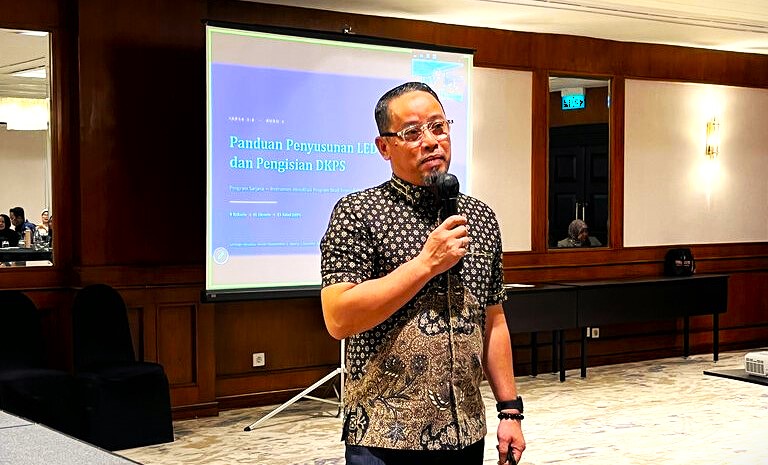
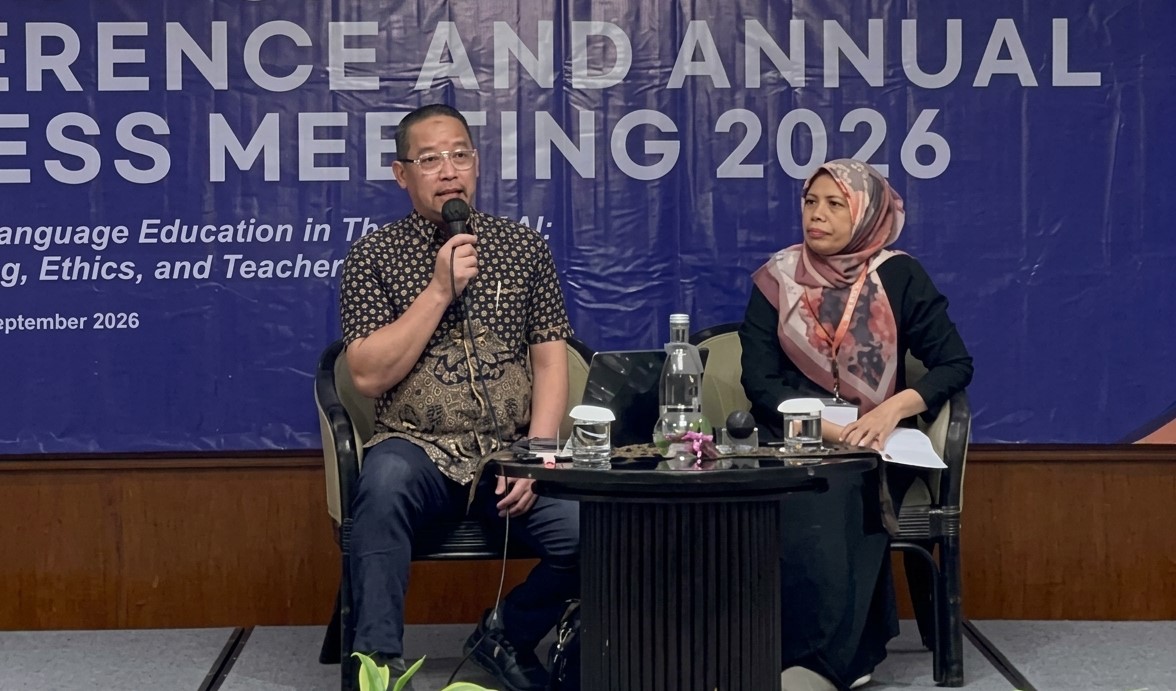
JAKARTA – Amidst the global enthusiasm characterizing the 2026 APSPBI International Conference & Annual Business Meeting, the issue of higher education quality assurance and accreditation emerged as a crucial agenda capturing the delegates’ attention. To address these systemic challenges, the conference featured a dedicated session led by a higher education quality assurance expert, Muhammadiyah Universities developer, and Assessor for the Independent Accreditation Agency for Education (LAMDIK), Prof. Erwin Akib, Ph.D.
Prof. Erwin Akib’s involvement, representing the vanguard of quality assurance from one of Indonesia’s largest educational networks, lent distinct prestige to the international event. His extensive experience in aligning national educational standards with the demands of global competitiveness demonstrates that Indonesian educational institutions—particularly English language education study programs—possess robust, widely recognized governance and quality evaluation systems. His presence successfully fostered an international consensus that Indonesian higher education is fully prepared to collaborate on an equal footing within the global academic ecosystem.
During his presentation, Prof. Erwin Akib comprehensively dissected the core components of the Education Study Program Accreditation Instrument (IAPSK) 3.0, specifically focusing on the preparation of the Self-Evaluation Report (LED) and the completion of the Study Program Performance Data (DKPS). He emphasized that these guidelines are designed to ensure study programs produce documents that go beyond merely describing conditions; they must be inherently analytical, evaluative, and quality-oriented to serve as a solid foundation for achieving the “Unggul” (Excellent) accreditation status. He stressed that responses within the LED must holistically encompass a description of current conditions, an evaluation against established standards, supporting reasons or empirical evidence, and a measurable follow-up plan.