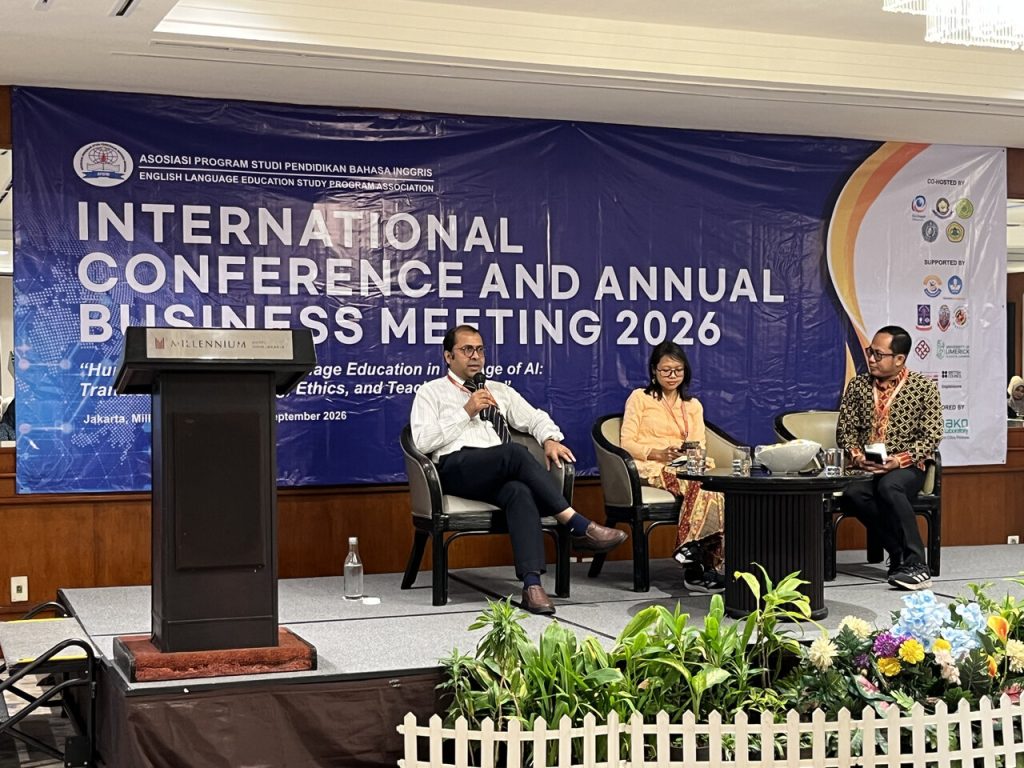
Bridging Bangladesh and Indonesia: Prof. Ahmed Bashir Highlights the Decolonization of Language Education and Ethical AI at the 2026 APSPBI International Conference
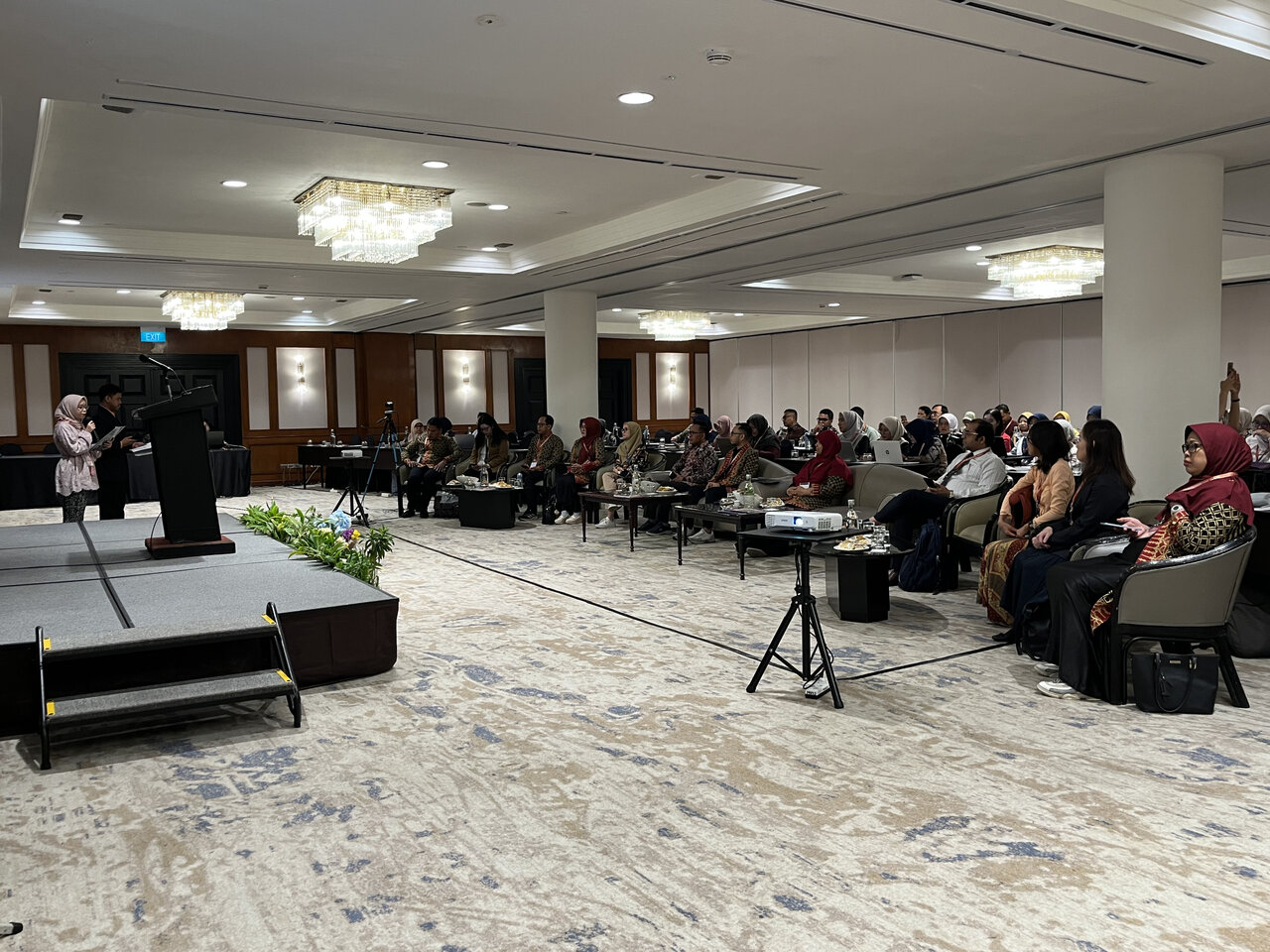
JAKARTA – Amid the rapid technological disruptions in education, the APSPBI International Conference & Annual Business Meeting 2026, held at the Millennium Hotel in Jakarta from September 10 to 11, 2026, successfully fostered a world-class academic discourse. A major highlight of the conference, which carried the theme “Humanizing English Language Education in the Age of AI,” was an in-depth presentation by a distinguished educational figure from South Asia, Prof. Ahmed Bashir.
Serving as a Professor in the Department of English at the University of Dhaka and the President of the Bangladesh English Language Teachers Association (BELTA), Prof. Bashir brought a prestigious international resonance to the event. His participation elegantly represented a global collaboration between Bangladesh and Indonesia—two nations that share similar post-colonial dynamics in navigating the challenges of English language education. His strong academic profile underscored APSPBI’s commitment to presenting cross-border insights that are highly relevant to capacity-building for educators on both regional and global scales.
During his presentation titled “Decolonizing English Language Teaching: Rethinking Pedagogy and the Use of AI,” Prof. Bashir urged participants to critically examine the historical roots of English language instruction. He explained that in the Indian subcontinent, English was initially introduced during British colonial rule (1757–1947) for administrative purposes, which subsequently evolved into a symbol of elitism and fueled social stratification.
To re-humanize the educational process, Prof. Bashir offered a sharp critique of Paulo Freire’s concept of the “Banking Model of Education,” a system in which students are reduced to passive receptacles expected merely to memorize and repeat information. As an antithesis, the Bangladeshi scholar advocated for the “Problem-posing Model” and the “Pedagogy of Hope”. This approach demands the cultivation of critical consciousness and collaboration, where educators treat their students as co-creators of knowledge to drive transformative social change.
Furthermore, Prof. Bashir highlighted the paradigm shift toward a posthumanist pedagogy in the era of Artificial Intelligence (AI). He elaborated that in this phase, learning is no longer centered solely on human dominance; rather, it involves a shared agency between humans and machines, thereby fundamentally altering the concepts of academic integrity and digital literacy. Although AI offers highly adaptive and personalized learning, Prof. Bashir warned of the danger that AI could manifest as a new tool of colonialism. These potential threats include the domination of Western languages and cultural norms in algorithms, global data collection without consent (data colonialism), and the technological dependency of low-resource countries on developed nations.
As a strategic solution, he emphasized the urgency of ethical AI integration, referencing the AI Competency Framework established by UNESCO. AI must be positioned as an “Intelligent Assistant” that enriches the learning experience, rather than a replacement for a teacher’s critical judgment and empathy. Concluding his compelling address, Prof. Bashir reminded educators to return to the essence of Bloom’s Taxonomy by prioritizing the Affective Domain. He asserted that in an increasingly automated educational ecosystem, Social-Emotional Learning (SEL)—which focuses on the attitudes, values, and psychological well-being of both students and teachers—remains the fundamental key to preserving humanity in English language education.
Sulkifli, S.Pd., M.Pd | Member of APSPBI (a lecturer of English Education Department at Universitas Muhammadiyah Makassar) Editorial Note: This article has […]
JAKARTA – The APSPBI International Conference & Annual Business Meeting 2026, centered on the theme “Humanising English Language Education in the Age […]
APSPBI which stands for Asosiasi Program Studi Pendidikan Bahasa Inggrisis a professional organisation for English Language Education Study Programs(ELESP) in Indonesia. Founded in […]