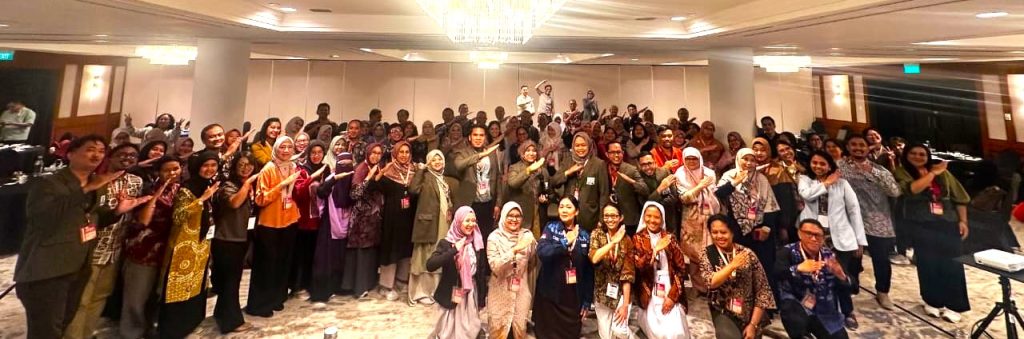
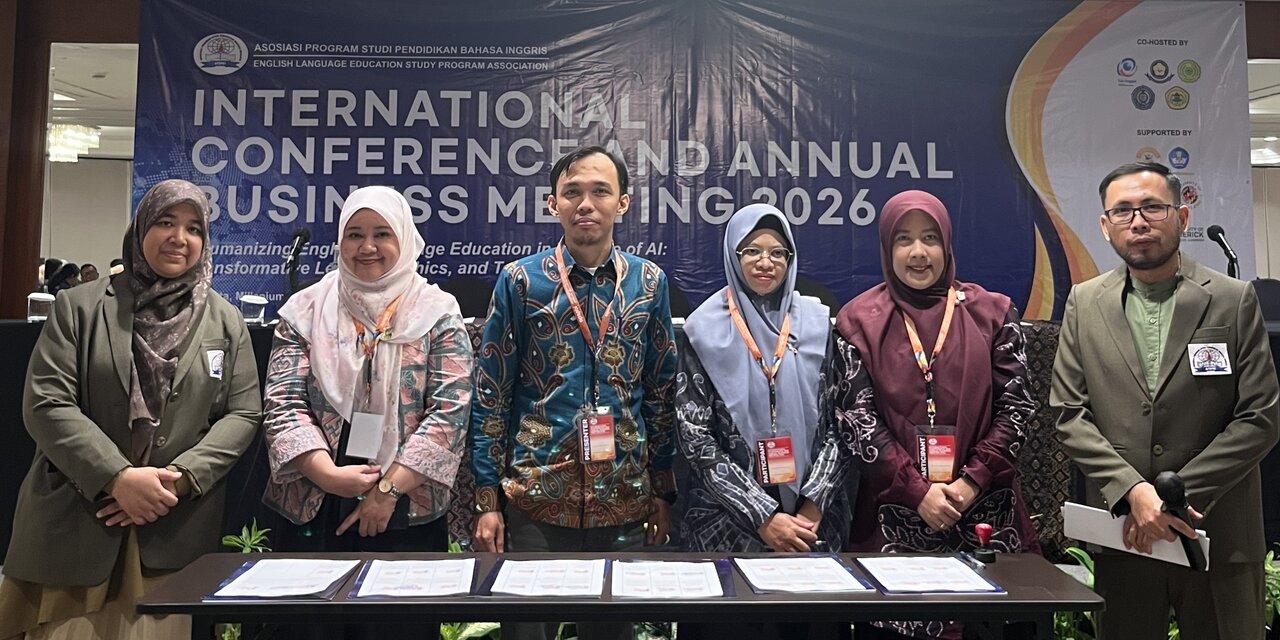
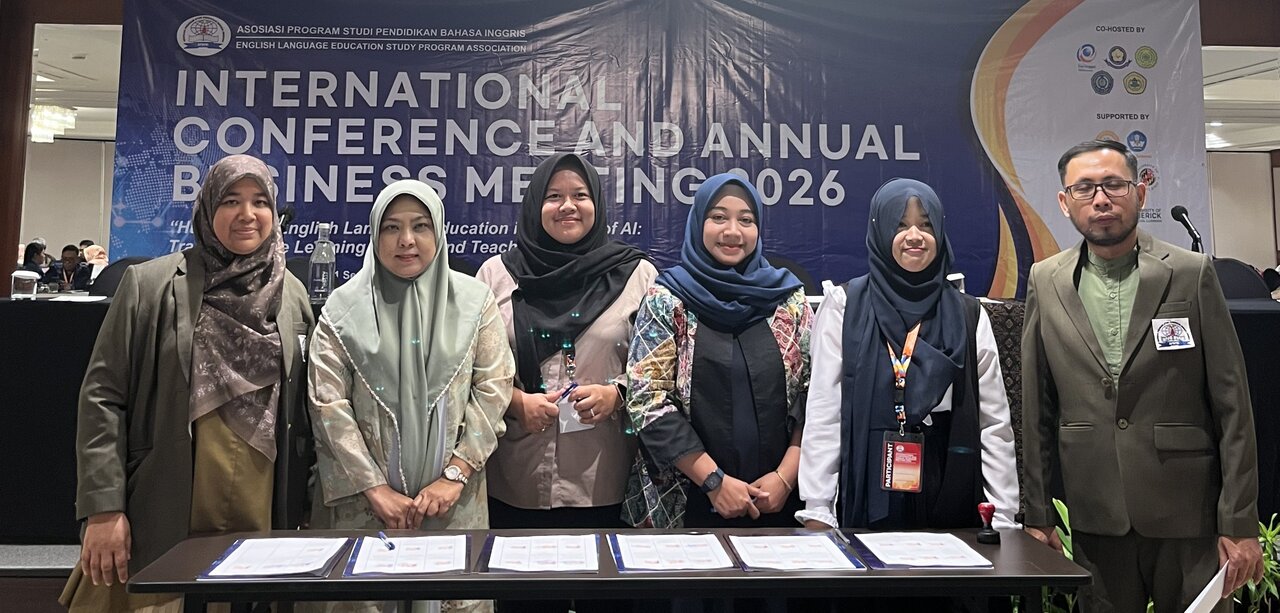
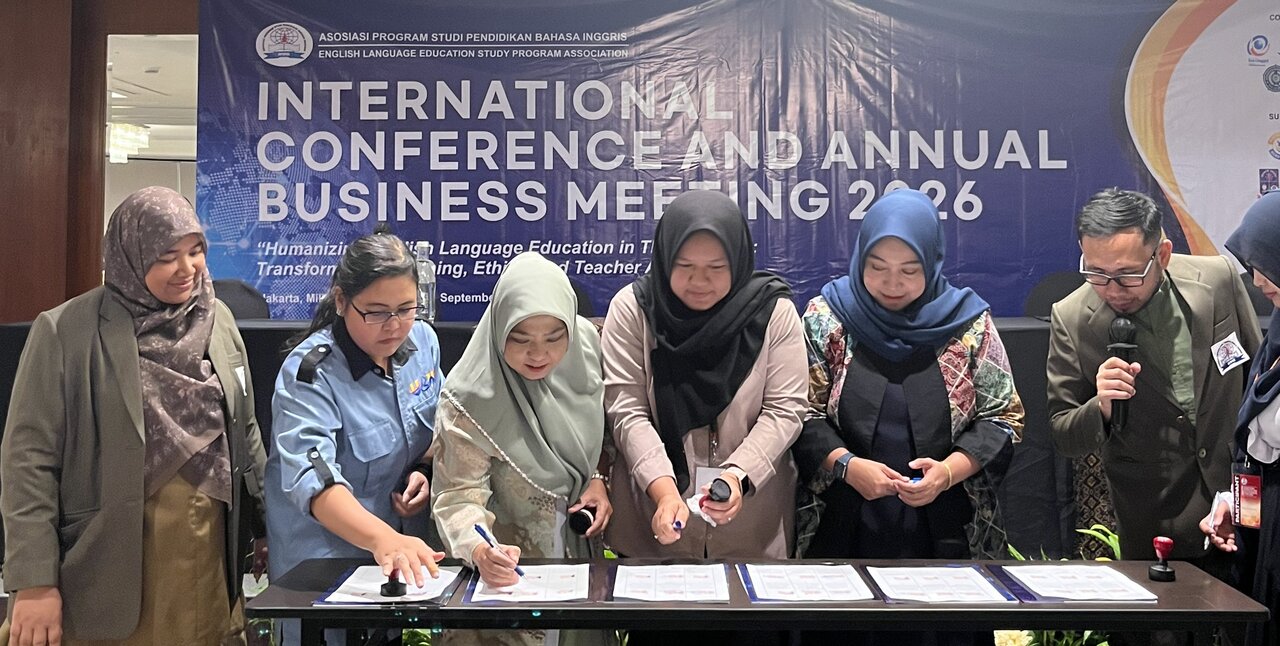
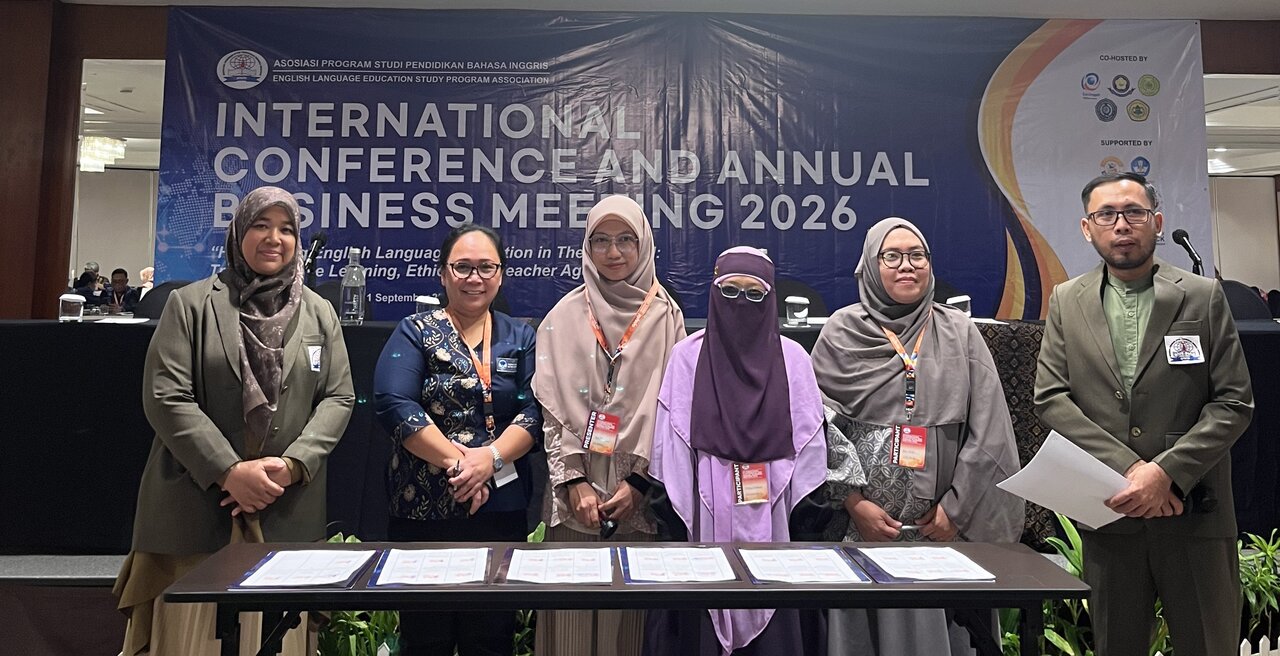
“This is the tangible manifestation of fast, precise, and measurable implementation sheltered under the grand umbrella of APSPBI. We ensure that every agreement does not merely become a dormant document but is immediately translated into Higher Education Tridharma activities that directly impact lecturers and students,” echoed the prevailing sentiment during the annual meeting. The establishment of IAs ensures that collaborations in student exchanges, joint research, and collaborative community service can be executed promptly without convoluted bureaucracy.
For the higher education ecosystem in Indonesia, this strategic maneuver serves as high-powered ammunition, particularly crucial in meeting the rigorous demands of study program accreditation. Referring to the latest accreditation instruments—such as the IAPSK 3.0 from the Independent Accreditation Agency for Education (LAMDIK)—the existence of cooperation documents (MoU/MoA) accompanied by evidence of concrete implementation (IA) is a vital element and a Key Performance Indicator to boost quality assessments and achieve the highly coveted “Unggul” (Excellent) accredited status.
This mass collaboration initiated by APSPBI brilliantly addresses the challenges within the Higher Education Tridharma Cooperation Element. Study programs no longer need to struggle to seek out partners, as APSPBI has established an integrated ecosystem where dozens of study programs are instantly connected and ready to collaborate.
Through the resounding success of the 2026 ABM, APSPBI has proven that the association is not merely a networking forum, but a proactive engine for quality assurance. This simultaneous signing of MoUs, MoAs, and IAs marks a new historical milestone, cementing the solidarity among English Language Education Study Programs throughout Indonesia to “Advance Together, Excel Together” in shaping a new generation of global-caliber educators.